
Last updated November 4, 2026
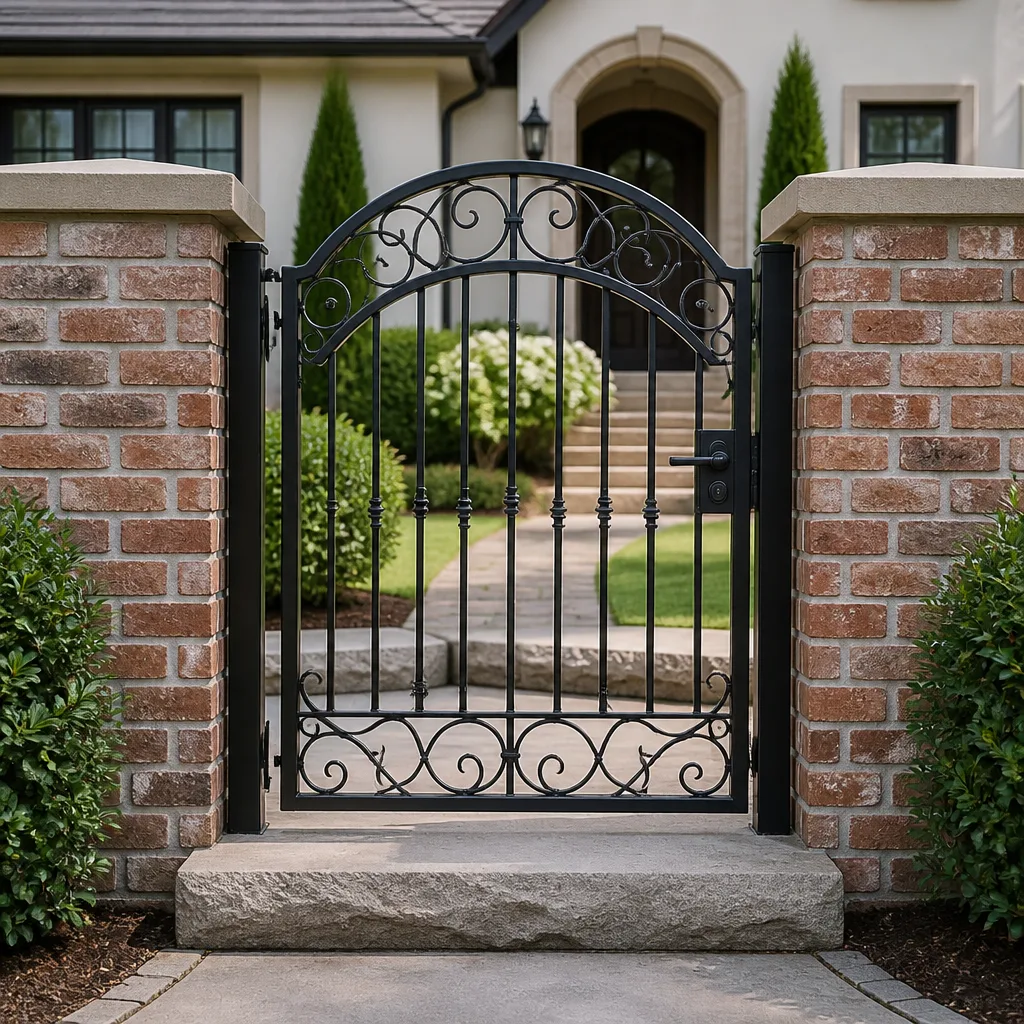 Wrought iron
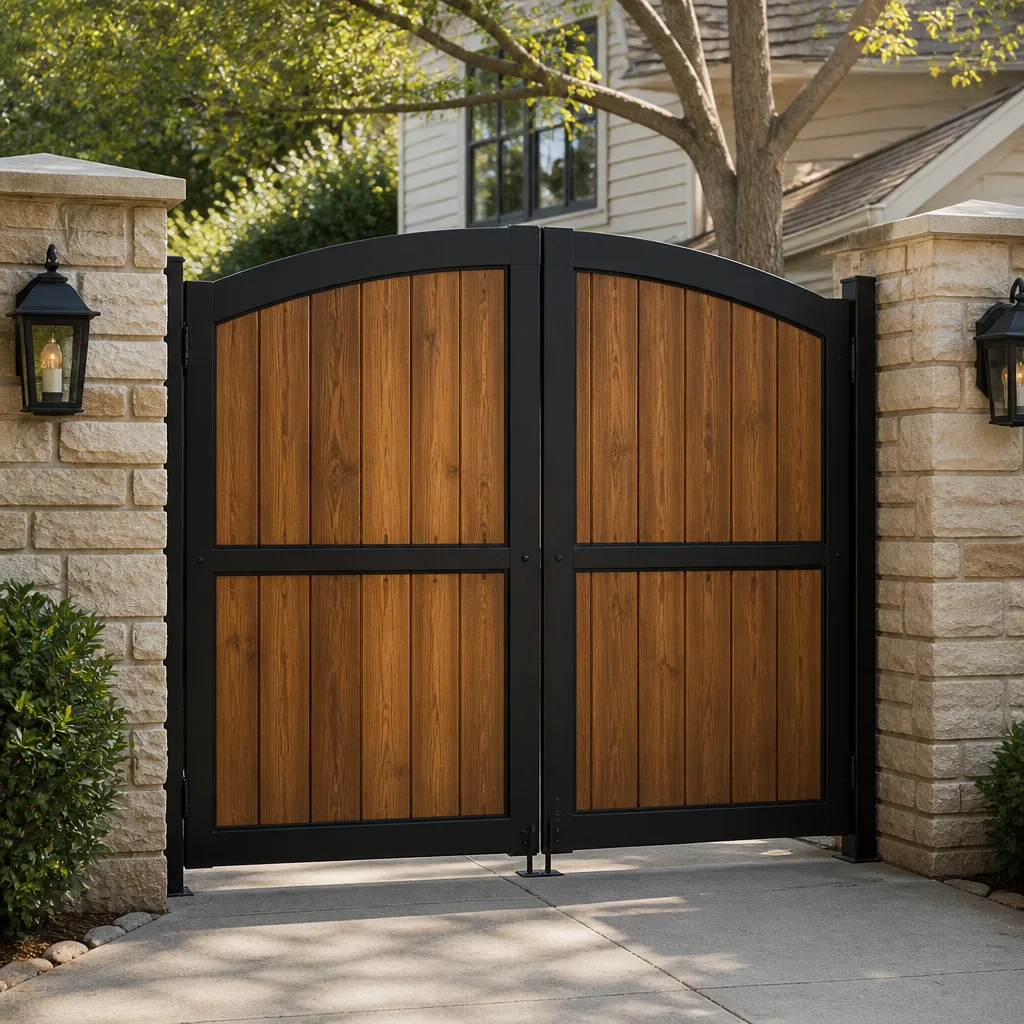 Wood & steel frame
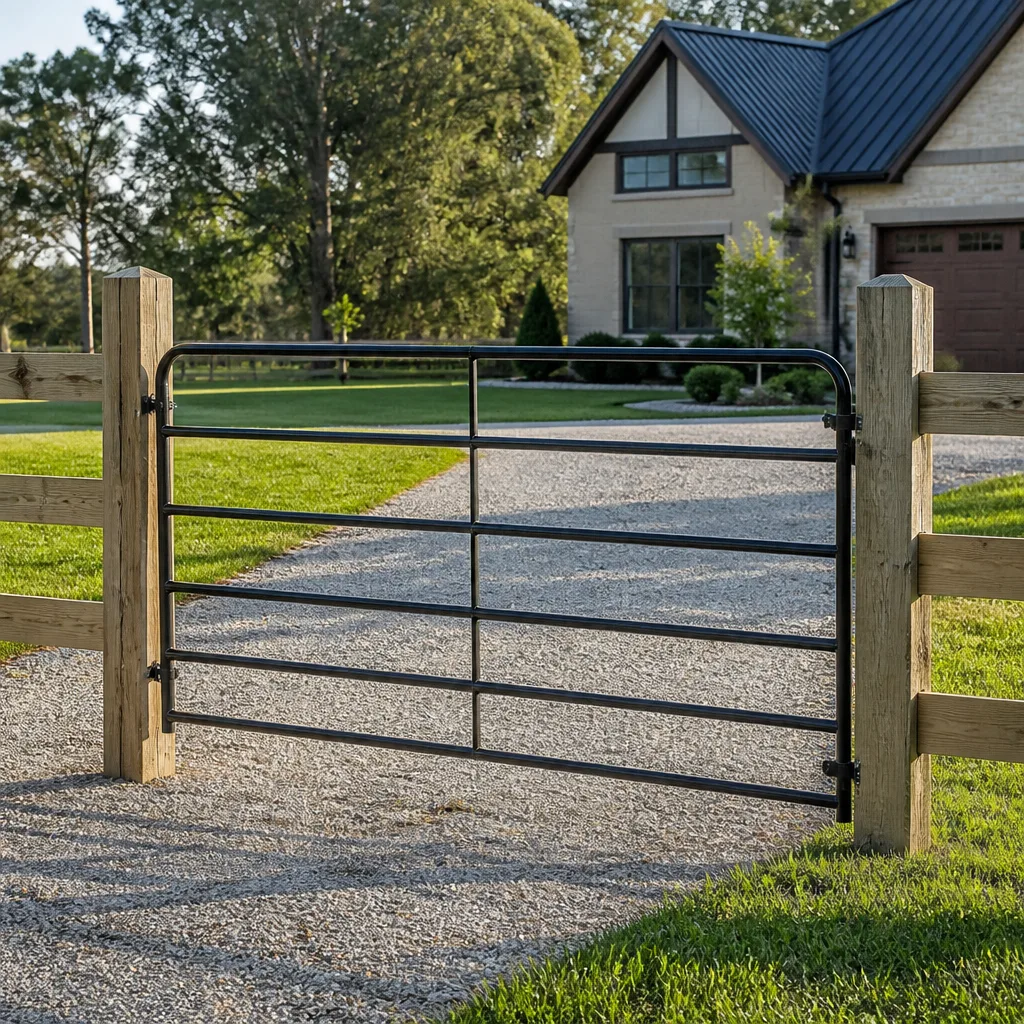 Farm & ranch
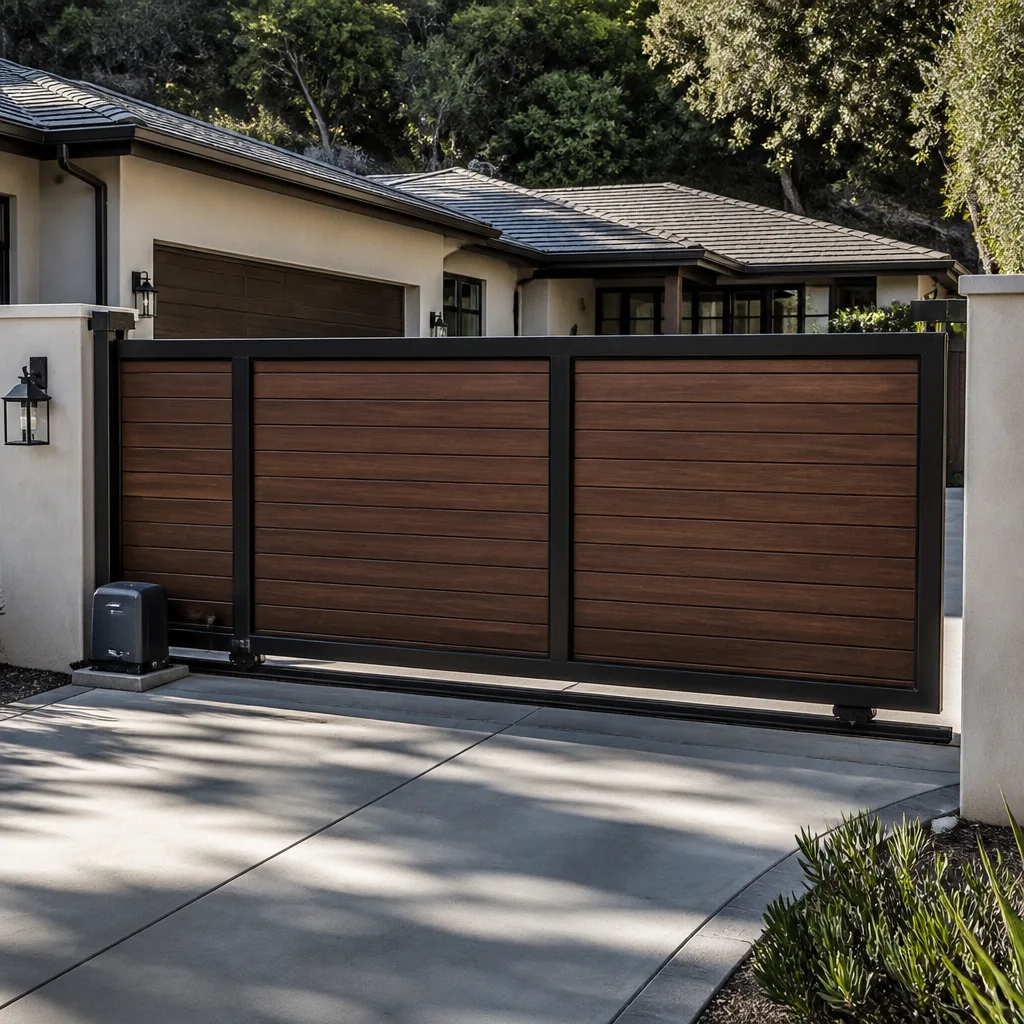 Sliding driveway gates
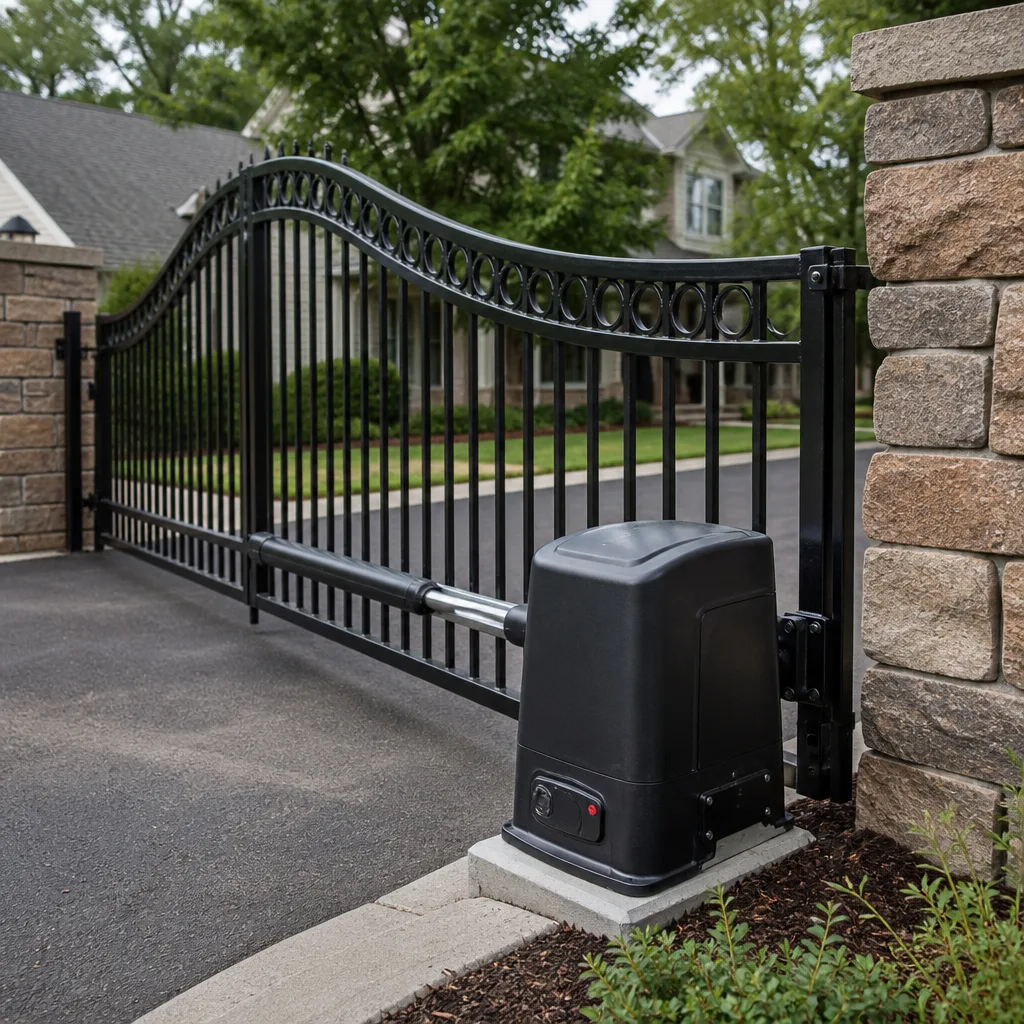 LiftMaster operators
Free on-site gate assessment - hinges, posts, and your LiftMaster or Nice gate operator checked before anything is quoted
The assessment is free and the quote is the invoice.
Get your free estimateGate Repair Emergency Preparedness Guide for Carmichael Homes
A power outage doesn’t test your gate. It tests everything you didn’t do before the power went out. During a PSPS outage, a gate without a tested battery backup doesn’t open slowly, it doesn’t open at all. And the manual release that hasn’t been touched in four years may not work either, because the key was lost, the mechanism seized, or nobody in the house remembers which way to turn it. This guide is built around the emergency patterns we actually see in Carmichael: PG&E public safety power shutoffs, storm damage, and vehicle strikes. You’ll learn what to do before, during, and after each one so an emergency costs you an hour instead of a day.
Quick Answer
A Carmichael home’s gate emergency almost always comes down to one of three events: a power outage that disables the opener, storm damage that knocks the gate out of alignment, or a vehicle strike that bends a panel or ruins the motor. The homeowners who recover fastest are the ones who already know where their manual release is, whether their battery backup works, and which gate specialist they’ll call. You can prepare all three in under an hour.
Styles & brands we work with
- Wrought iron
- Wood & steel frame
- Farm & ranch
- Sliding driveway gates
- LiftMaster operators
Table of Contents
- PSPS Outages and Your Gate’s Battery Backup
- Testing Your Manual Release Before You Need It
- What to Do Immediately After a Vehicle Strikes Your Gate
- Storm Damage Triage: Stabilize vs. Specialist
- Setting Up a 24-Hour Emergency Contact Plan
- The 30-Minute Pre-Season Gate Audit
- Common Mistakes to Avoid
- When to Call a Professional
- Frequently Asked Questions
PSPS Outages and Your Gate’s Battery Backup
Carmichael sits in a region where PG&E initiates Public Safety Power Shutoffs during high wind and low humidity conditions. When the power goes out, an automated gate without a functioning battery backup becomes a stationary fence. You cannot open it from your car, the keypad goes dark, and anyone without a physical key is locked out or locked in. What surprises most homeowners is that the battery backup is not a standard feature on every opener. Some systems have a battery built into the control board. Others require a separate add-on module installed near the motor. And a battery that hasn’t been load-tested in two years may hold enough charge to beep but not enough to swing a 400-pound gate.
Testing is straightforward. With the gate closed, cut power to the opener at the breaker. Then try to open and close the gate one full cycle using the normal remote or keypad. If the gate moves at full speed, the battery is doing its job. If it moves slowly, hesitates, or stops halfway, the battery is marginal under load and needs replacement before an actual outage. If it doesn’t move at all, you have no functional backup. In our experience, about half the Carmichael homes we visit after a PSPS have a battery that was never tested after installation. The test takes five minutes. The consequence of skipping it is standing at the end of your driveway at 6am trying to figure out how to get your car out.
For gates where a battery backup was never installed, the manual release becomes your only way to operate the gate during an outage. That brings us to the next problem.
Battery backup and manual release are two separate systems. A battery keeps the automation alive. A manual release disconnects the gate from the operator so you can push it by hand. You need to know how both work. For most residential swing gates in Carmichael, the manual release is a pull handle or keyed cylinder on the operator arm. For slide gates, it’s usually a lever or crank on the gearbox. The brand matters here. A BFT operator’s release mechanism is not in the same spot as a Linear operator’s. If you don’t know your brand, find the model plate on the operator and write it down. That’s the first thing we’ll ask for when you call.
Testing Your Manual Release Before You Need It
The worst time to learn how your manual release works is during a power outage at 11pm with your phone flashlight in one hand and a gate that won’t budge. The release mechanism on a gate that gets used daily, twice a day, twelve months a year, gets dirty. Carmichael’s dry summers leave a fine dust on everything, and that dust works its way into release pulls, cylinders, and crank gears. A release that hasn’t been exercised in years may be frozen. A key that was cut in 2014 may have walked off in a drawer. None of this matters until the power is out and the battery is dead.
- Locate the manual release. It is on the operator itself, not on the gate hinge. For swing gate operators, look for a handle, knob, or keyhole on the side of the motor housing. For slide gate operators, look for a lever or a place where a crank handle inserts.
- Find or cut the key. If your release uses a key, find it now. Test it in the lock. If it doesn’t turn, have a new one cut or replace the lock cylinder before you need it.
- Put the gate in manual mode. Turn the release as directed by your operator’s manual. You should feel a distinct click or disengagement. The gate should now be movable by hand.
- Move the gate a few feet in each direction. If a swing gate is heavy, check that the hinges and wheels are taking the weight smoothly. If a slide gate drags or binds, that’s a separate mechanical issue you’ll want addressed before an emergency.
- Re-engage the operator. Put the release back to automatic mode. Run the gate through one full cycle using the remote to confirm the operator re-engaged correctly.
- Document it. Snap a photo of the release located by the opener with your phone. Save it to a folder called “Gate” along with your operator’s model number and your gate specialist’s phone number.
We recommend doing this test at the start of every wildfire season and again in early fall before the rainy season. Carmichael’s two weather extremes, dry wind in summer and wet storms in winter, are exactly when your gate is most likely to fail. A five-minute test twice a year puts you ahead of nearly every home on your street.
What to Do Immediately After a Vehicle Strikes Your Gate
A vehicle strike is the most dangerous type of gate emergency because the damage is often worse than it looks. The first hit bends a panel or slides a gate off its track. The second failure happens later, when the stressed hinge, wheel, or track finally gives way while the gate is moving. A gate that falls off its track can crush whatever is in its path. A slide gate that derails can tip over sideways. And an operator that keeps trying to run against a bent track will burn out its motor in minutes.
Here is the exact sequence to follow, in order:
- Secure the area. Keep people, pets, and cars away from the gate. A damaged gate can fall without warning.
- Disconnect power to the operator. Switch off the circuit breaker for the gate, or use the operator’s power disconnect if one is mounted nearby. Do not use the remote, the keypad, or any automated control.
- Do not try to move the gate. A gate that’s off its track or hanging on a damaged hinge is under tension. Moving it by hand can trigger the collapse the impact started.
- Visually assess. Stand back and look for the obvious: a slide gate off its track, a swing gate drooping on one hinge, a post leaning, an operator loose on its mount, exposed wiring.
- Photograph everything. Wide shots, close-ups of bent metal, broken hinges, and the operator. You’ll need these for insurance regardless of whether you file a claim.
- Leave the gate where it is. Do not attempt to re-rail a slide gate or lift a swing gate back onto its hinge. A specialist with the right equipment will do it without making the damage worse.
- Call a gate specialist. Tell them the gate type, brand, and whether the post or concrete is involved. Post and footing damage changes the job from repair to replacement of the support structure.
Most vehicle strikes in Carmichael happen at low speed, a driver misjudging the turn into a driveway or backing out too far. Low speed doesn’t mean low damage. A 5mph hit into a 600-pound slide gate is enough to bend the track, pop rollers, and crack a weld. The gate may still be standing, but it’s no longer safe to operate. The most expensive repair we see after a vehicle strike is a motor that burned out because the homeowner kept pressing the remote to “test” whether the gate still worked. If the gate doesn’t move freely by hand, the motor should not be asked to move it.
Storm Damage Triage: Stabilize vs. Specialist
Carmichael’s storm damage to gates comes from two directions: wind and saturated ground. High wind catches a solid gate panel like a sail, putting stress on hinges, posts, and the operator’s mounting. Saturated ground weakens the support around gate posts, especially for older gates that were set without proper footing depth. A post that has been slowly shifting in wet soil for years just needs one windy night to move enough that the gate no longer closes or latches.
The triage question is what you can stabilize yourself versus what requires a specialist before the gate can operate safely again.
What you can do yourself
- Clear debris from the track. For slide gates, leaves, pine needles, and small branches in the track are the most common post-storm problem. If the track is clear of bent metal and the gate will roll freely by hand, cleaning it out is safe.
- Tighten loose hardware you can reach safely. Hinge bolts, latch screws, and operator mounting bolts that are loose but not stripped can be snugged up. If metal is bent or the bolt hole is wallowed out, stop and leave it for a professional.
- Reset a tripped breaker. If the gate stopped responding after a storm, check the breaker. A surge or brief fault can trip it. Flip it off completely, then back on. If it trips immediately again, do not reset it again. There’s a short or overload that needs diagnosis.
- Note what changed. Write down when the gate stopped working, what it did right before, and exactly what you observed. That history cuts diagnosis time in half when you call.
What requires a specialist
- A post that has moved. If the gate post is leaning, the gate hangs differently, or the latch no longer lines up, the fix is not adjusting the latch. The post must be reset in its footing or the gate will continue to sag.
- Any bending in the gate panel or frame. Bent metal changes the gate’s geometry. A swing gate that’s been racked by wind will never close properly until the frame is straightened or reinforced.
- Electrical symptoms after rain. A keypad that works intermittently, an opener that hums but doesn’t move, a control board that shows error codes, any of these after wet weather means water got somewhere it shouldn’t have. The fix requires opening boxes, checking connections, and diagnosing the board. This is electric gate repair work.
- A gate that shudders, bangs, or reverses mid-cycle. These symptoms point to bent rollers, damaged guide wheels, or a track out of level. Running the operator more just compounds the damage.
- Any exposed wiring. If you can see copper, a broken conduit, or a wire hanging from the operator, cut power at the breaker and leave it. Automated gate wiring carries enough current to be dangerous.
For Carmichael homes, the smart storm prep is simple: before the rainy season, look at your gate posts. Walk around each post and push on the gate gently. Movement you can feel in the post is a warning sign. Schedule a repair while the weather is dry and the footing is accessible. It’s always cheaper to reset a post in October than in January.
Setting Up a 24-Hour Emergency Contact Plan
The homeowners who get their gate fixed fastest after an emergency are the ones who aren’t searching “gate repair near me” at midnight while holding a phone. They already know who they’re calling. In Carmichael, a dedicated gate repair specialist should be in your phone contacts the same way your plumber and your electrician are. Here’s how to set that up before you need it.
- Choose the specialist now. Call, ask the questions you need to ask, and get a feel for whether they know their brands. If you have a Viking operator, you want to hear the person on the phone say Viking, not “we can probably figure it out.”
- Store the number in your phone. (877) 752-3866. Label it “Gate Emergency.” Whoever else is in your household, add the same contact to their phone.
- Write the number down. Phones die, get left in cars, and get replaced. A paper note taped inside the cover of your breaker panel or written on the operator’s housing with a paint marker will outlast any phone.
- Document your gate. Operator brand, model, type of gate, and whether it has a battery backup. Keep a photo of the operator’s model plate. When you call, you’ll be able to answer the questions that actually matter instead of saying “I don’t know.”
- Know the response times. We answer 24/7. Fast dispatch from 7am to 7pm, Sunday through Friday. A call outside dispatch hours is booked into the next opening. That’s the honest picture, and it’s better to know it now than to be surprised at 2am.
A gate emergency is never convenient. But there’s a big difference between an inconvenience you’re prepared for and an emergency you’re learning how to handle from scratch. The preparation takes twenty minutes. The alternative is standing in front of a dead gate, phone in hand, reading search results while your car sits trapped behind a gate that won’t move.
The 30-Minute Pre-Season Gate Audit
Twice a year is enough. We recommend doing this audit in early May, before Carmichael’s hot, windy summer, and again in late September, before the wet season. Each one takes half an hour and covers the failure points that most often turn into emergencies.
- Run the gate through five full cycles. Watch and listen. A smooth open, a pause, a smooth close. Any hesitation, grinding, banging, or shuddering is a note for the repair list.
- Check the safety sensors. For automated gates, wave an object in front of each sensor while the gate is closing. The gate should reverse or stop. If it doesn’t, that’s a safety issue and a repair priority.
- Inspect the track for slide gates. Clear debris. Look for rust, cracks, or sections where the track has come loose from its mounting.
- Inspect hinges and wheels for swing gates. Rust, play, missing grease, or a hinge that’s pulling away from the post means trouble.
- Test the manual release. Use the procedure from earlier in this guide. It should disengage and re-engage without force.
- Test the battery backup, if you have one. Cut power at the breaker and run a cycle. We covered this: marginal batteries fail only under load.
- Look at the keypad and remotes. Do the buttons work consistently? When did anyone last swap the remote batteries?
Each of these checks is simple on its own. Together they catch the problems that turn into 11pm emergencies. We’ve been doing electric gate repair in Carmichael since 2014, and the calls we get after a PSPS or a storm are almost always about a problem that was visible in a five-minute inspection months earlier. The gate told you. You just weren’t listening yet.
Common Mistakes to Avoid
- Assuming the manual release will work because it worked in 2014. Mechanisms seize, keys vanish, and components corrode. If you haven’t tested the release this season, you don’t actually know it works.
- Resetting the breaker over and over. One reset after a storm is fine. A breaker that trips a second time is telling you there’s a short or an overload. Continuing to reset it risks damaging the control board or starting a fire.
- Pressing the remote repeatedly after a vehicle strike. If the gate was hit, something is bent. Every time the operator runs against that damage, it pushes the motor closer to failure. Disconnect power and leave it for a professional.
- Lubricating a gate that’s already off track. Grease won’t fix a bent roller or a track that’s out of level. It may make the problem quieter for a week while the damage gets worse.
- Ignoring a post that moves. A post that shifts when you push on the gate will not fix itself. In Carmichael’s wet-winter, dry-summer soil rhythm, it will keep moving until the gate can’t close at all.
- Buying a universal remote instead of diagnosing the problem. A gate that doesn’t respond may not be the remote. It may be the receiver board, the antenna, or the operator itself. Replacing parts by guesswork is more expensive than a diagnosis.
- Not knowing your operator’s brand. When you call a specialist at 7am after a storm, “I don’t know what brand it is” adds time to the conversation. The model plate is on the operator. Photograph it now.
When to Call a Professional
Some problems are for the homeowner. A tripped breaker, a blocked safety sensor, debris in the track, a dead remote battery. These are five-minute fixes. Everything else is for a specialist. If a post has moved, if metal is bent, if the gate is off its track, if wiring is exposed, if the operator runs but the gate doesn’t move, if the control board shows errors, call someone whose whole job is gates. Not a general contractor, not a handyman with a multimeter. A gate specialist who works on your brand. We service LiftMaster, FAAC, BFT, Linear, Viking, Ghost Controls, DoorKing, Elite, and Mighty Mule. Whatever opener you have, we know it. Gate Repair Carmichael offers free estimates in Carmichael. Call (877) 752-3866. We answer 24/7. Fast dispatch from 7am to 7pm, Sunday through Friday.
Frequently Asked Questions
The cost of emergency gate repair in Carmichael depends on what failed and which brand of operator you have. A simple fix like a tripped breaker or a dead remote costs little. A failed control board, a bent track after a vehicle strike, or a post that needs resetting costs substantially more. The estimate is free, and the written estimate sets the exact price before any work starts. Call (877) 752-3866 and we’ll tell you what we can based on what you describe.
We answer 24/7. Fast dispatch from 7am to 7pm, Sunday through Friday. A call outside dispatch hours is booked into the next opening. If you call during dispatch hours, we’ll do everything we can to get someone to your Carmichael home the same day.
During a power outage in Carmichael, first try your battery backup if you have one. If the gate won’t move on battery, use the manual release to disengage the operator and operate the gate by hand. If neither works, the problem is mechanical, not just electrical, and you should call a specialist rather than forcing the gate.
Yes. A gate that works after an impact usually has damage that will get worse. A bent roller will chew up a track. A stressed hinge will eventually break. And an operator that runs against increased resistance will burn out its motor. The damage from an impact is never invisible. Have it inspected before the secondary failure happens.
Some residential operators have battery backup integrated into the control board. Others require a separate add-on battery module. Brands like Viking and Linear offer both configurations depending on the model. The simplest way to know is to look at your operator: if there’s a battery or a place a battery module plugs in, it either has one or can take one. If you call us with the model number from your operator’s plate, we can tell you what your system is capable of.
We work on nine major gate and operator brands: LiftMaster, FAAC, BFT, Linear, Viking, Ghost Controls, DoorKing, Elite, and Mighty Mule. If your operator is one of these, we know it. If it’s a brand not on that list, tell us what it is and we’ll tell you honestly whether it’s something we service.
The Bottom Line
Carmichael gate emergencies follow patterns. Power goes out during a PSPS. A car backs into a gate. A winter storm drives a post loose. The homeowners who handle these events in an hour instead of a day are the ones who prepared. They know their operator’s brand. They’ve tested the manual release this year. They know whether their battery backup actually works under load. And they already have a Carmichael gate specialist in their phone. The preparation is not complicated. It’s five minutes twice a year, a few photos, and one phone call. Do it before the next outage, not during it.
Written by the team at Gate Repair Carmichael, serving Carmichael since 2014.
See the difference
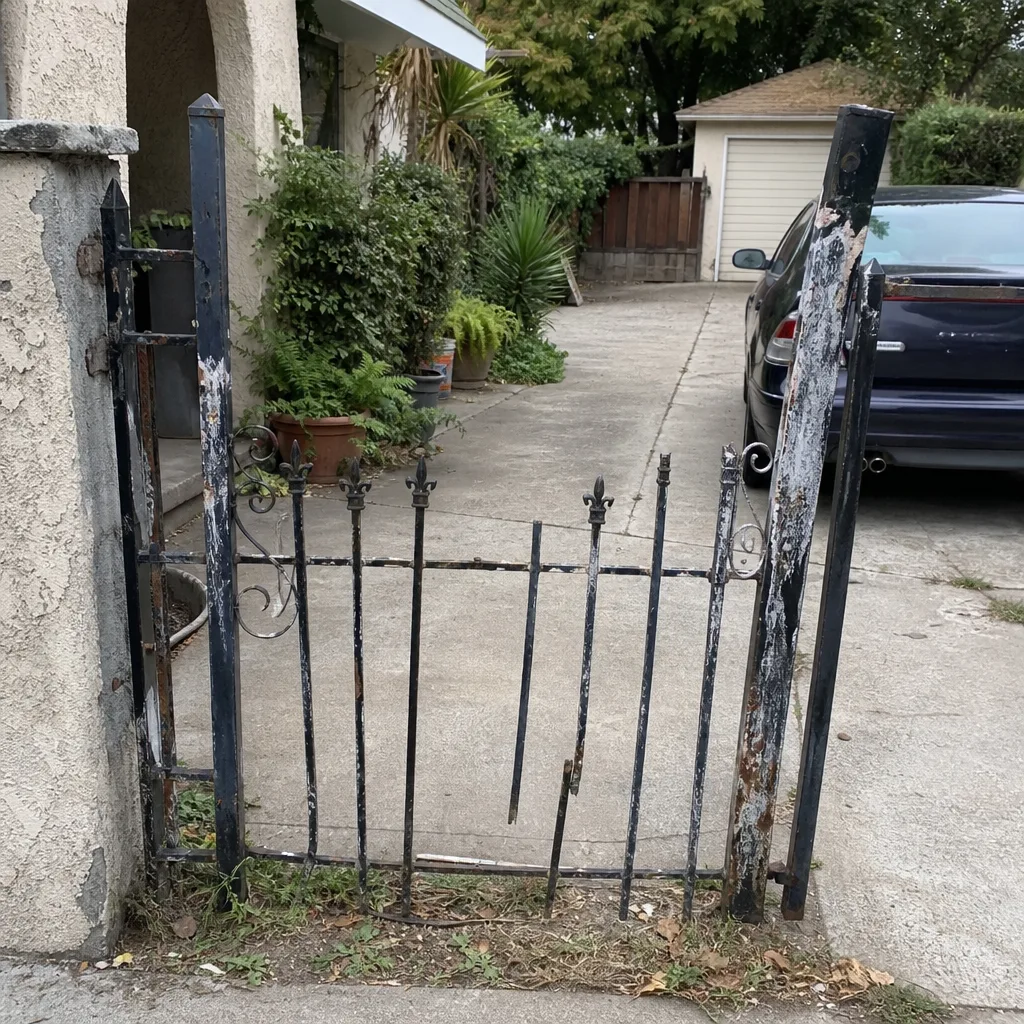 Before
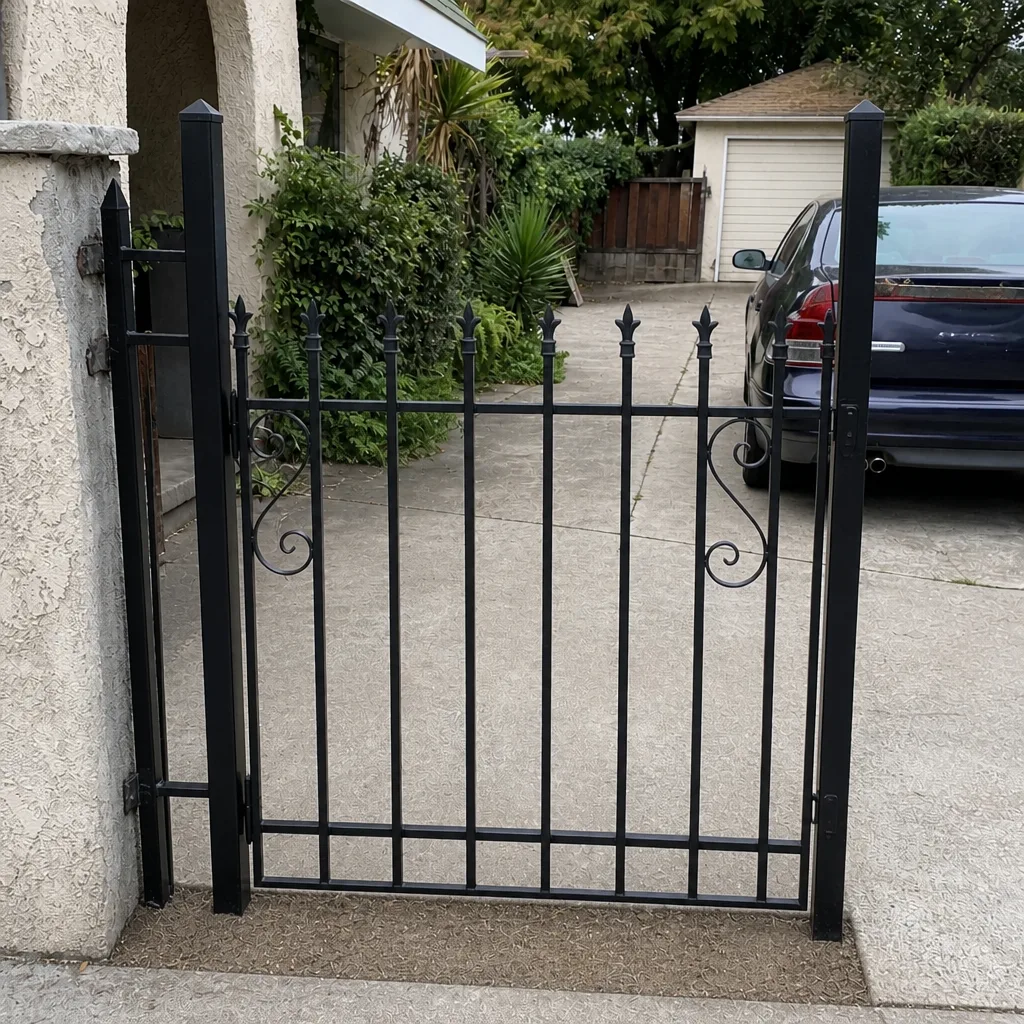 After
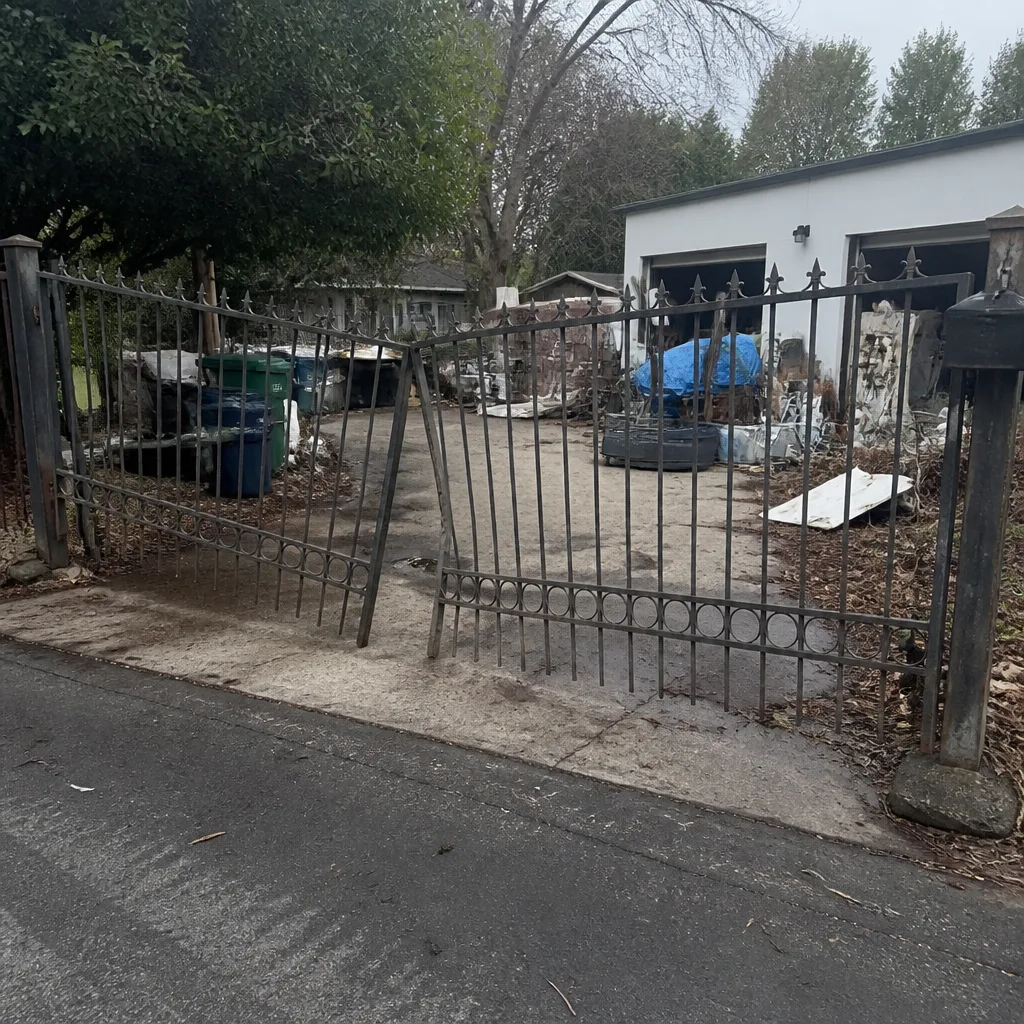 Before
 After
 Before
 After