
Last updated November 4, 2026
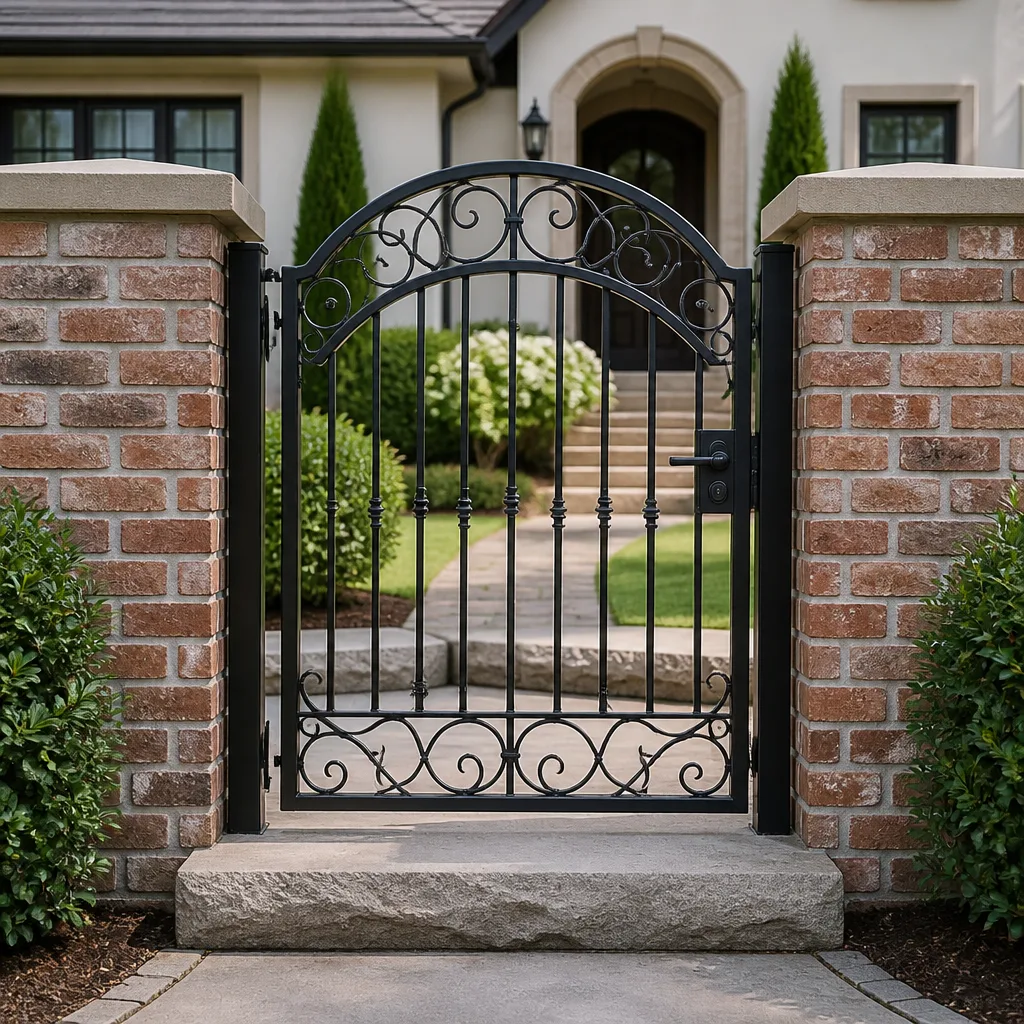 Wrought iron
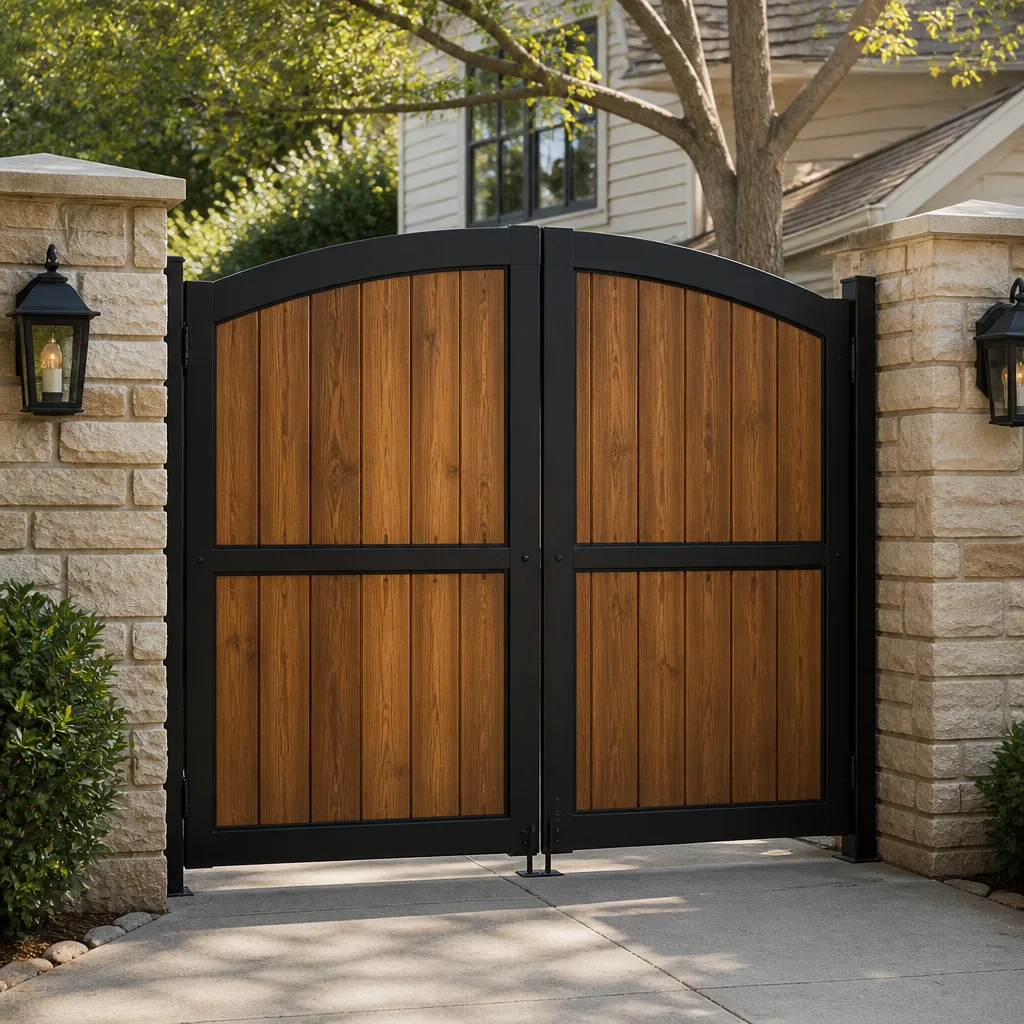 Wood & steel frame
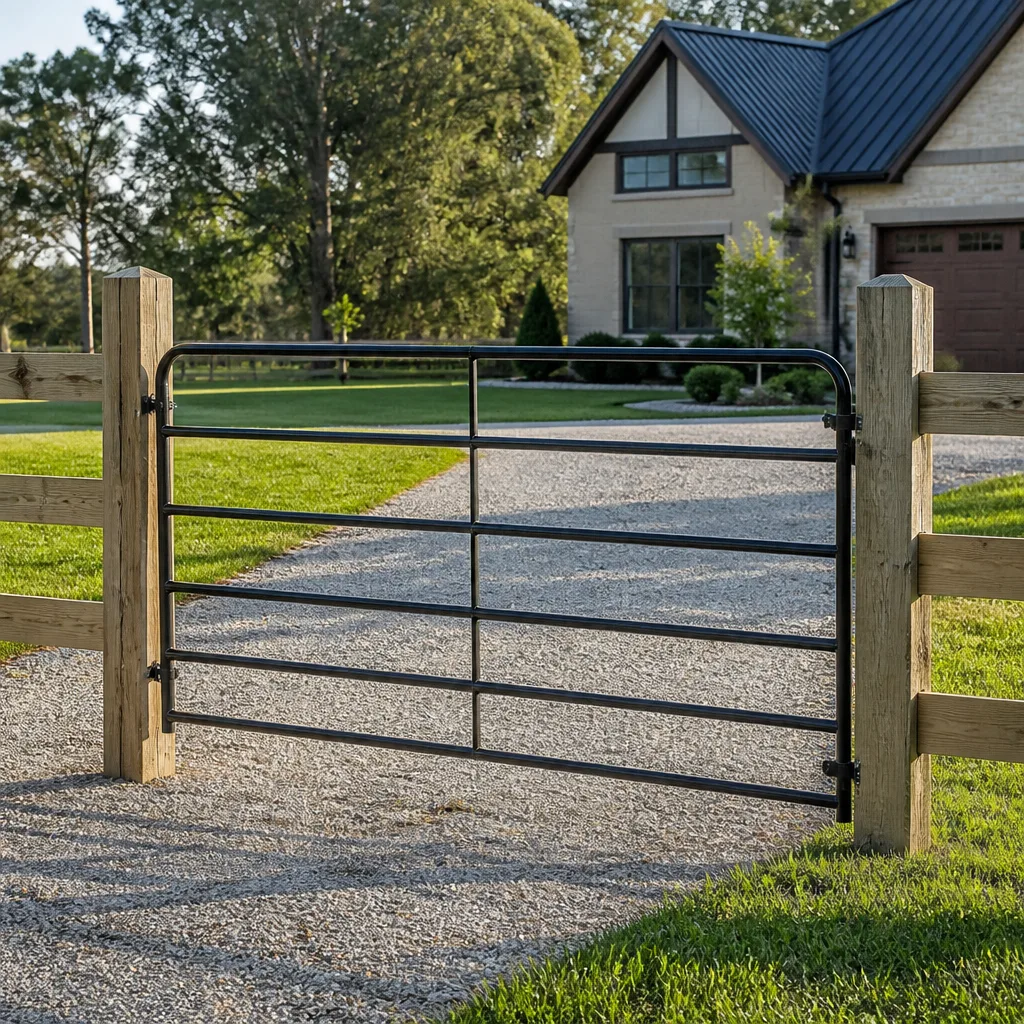 Farm & ranch
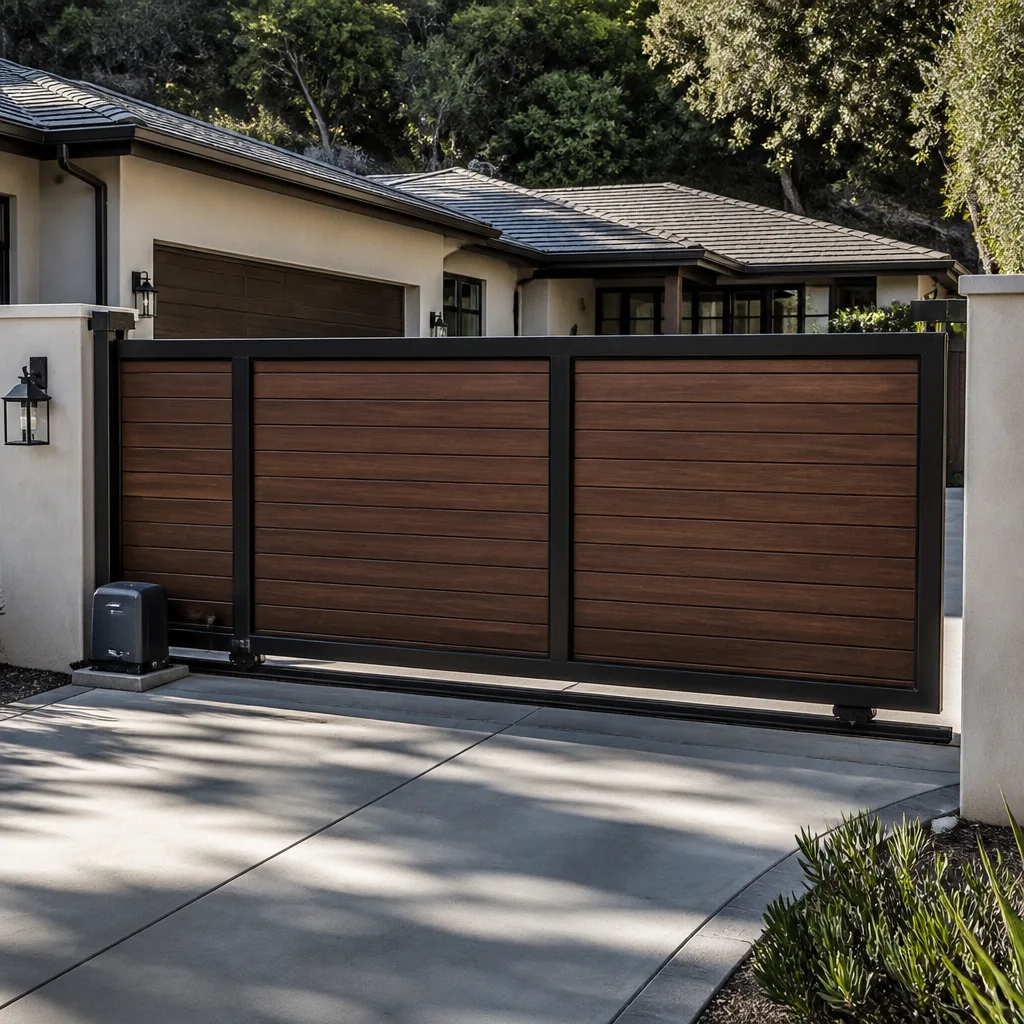 Sliding driveway gates
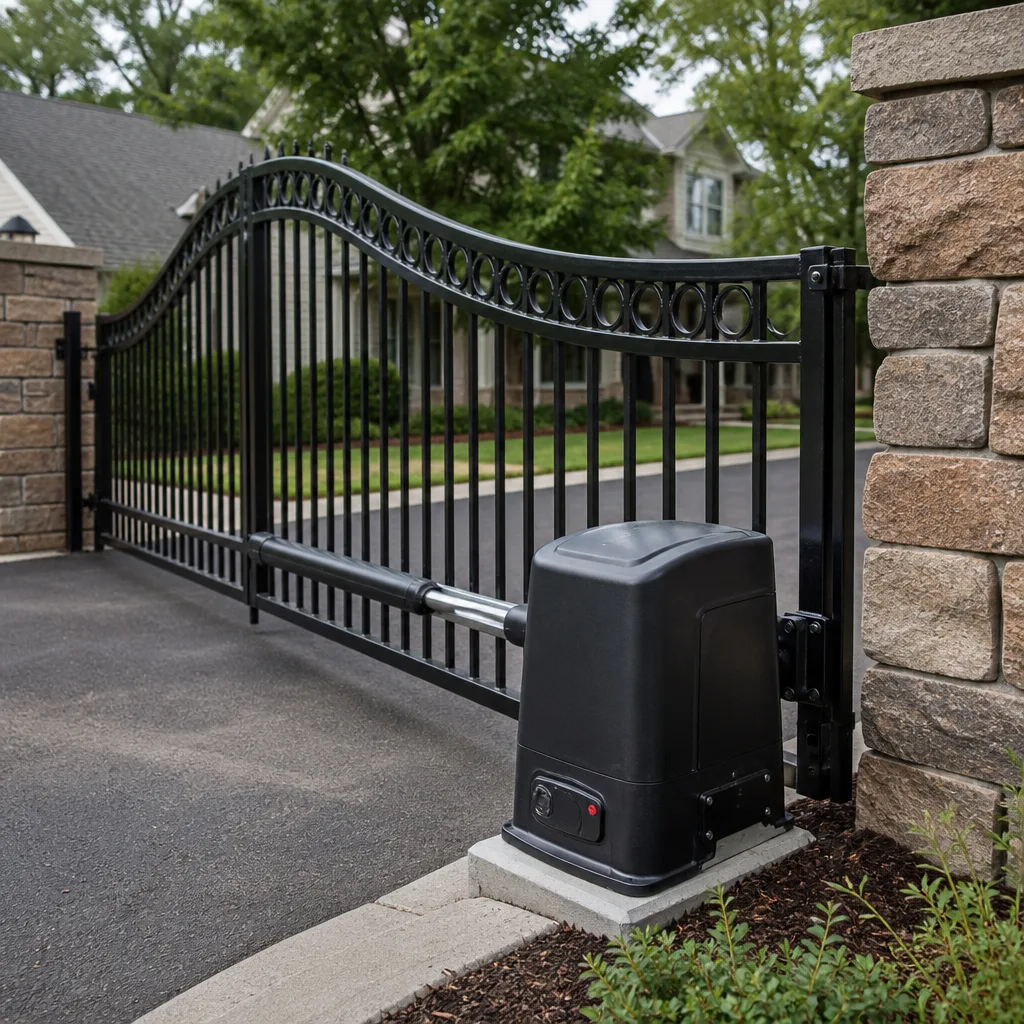 LiftMaster operators
Free on-site gate assessment - hinges, posts, and your LiftMaster or Nice gate operator checked before anything is quoted
The assessment is free and the quote is the invoice.
Get your free estimateGate Repair Permits, Codes & Inspections in Carmichael, CA: What You Need to Know
Most Carmichael homeowners assume a gate repair is a straightforward mechanical fix that needs no paperwork. That holds true for a bent hinge or a worn wheel, but the moment you swap out an operator, the regulatory picture shifts. Sacramento County building code treats certain gate automation work the same way it treats an electrical subpanel install. This guide walks through the actual permit thresholds, what UL 325 demands for entrapment protection, how HOA overlays in neighborhoods like Arden Park interact with county rules, and what happens when unpermitted work surfaces during a home sale. If you own a gate in Carmichael, what you do before the work starts matters as much as the work itself.
Styles & brands we work with
- Wrought iron
- Wood & steel frame
- Farm & ranch
- Sliding driveway gates
- LiftMaster operators
Quick Answer
In Carmichael, simple like-for-like gate repairs (hinges, wheels, latch adjustments, replacing a failed part with the identical component) typically do not require a Sacramento County permit. However, replacing a gate operator or motor, adding new electrical wiring to power an automated gate, or installing a new gate system generally does trigger a permit. The dividing line is whether the work modifies the electrical system or changes the gate’s operational safety profile under UL 325. When in doubt, have a gate specialist check the specific scope against current Sacramento County code before any work begins.
Table of Contents
- When Does Gate Work Need a Permit in Carmichael?
- UL 325: What It Mandates for Automated Gates
- Electrical Code and Gate Operator Installation
- What Inspectors Actually Check During a Gate Installation Inspection
- HOA Overlay Rules in Carmichael Neighborhoods
- How Unpermitted Gate Work Shows Up During a Home Sale
- Remediation: Fixing an Unpermitted Gate Installation
- Common Mistakes to Avoid
- When to Call a Professional
- Frequently Asked Questions
- The Bottom Line
When Does Gate Work Need a Permit in Carmichael?
Carmichael sits in unincorporated Sacramento County, which means county building code governs gate permits, not a city ordinance. The code draws a specific line between repair and replacement. A repair restores the existing gate to its original operating condition using the same class of components. A replacement or installation introduces a new system or materially changes the way the gate operates. The distinction sounds simple, but it trips up homeowners regularly because some “repairs” cross into installation territory.
Here is the practical breakdown for Carmichael properties:
- No permit needed: Replacing a worn hinge, adjusting a sagging gate leaf, welding a cracked frame, swapping out a broken latch, or replacing a manual gate with a manual gate of the same swing type.
- Permit typically required: Replacing a gate operator or motor with a new unit, adding an operator to a previously manual gate, running new electrical conduit or wiring to power the gate, or installing a new automated gate system.
- Gray zone: Replacing a failed control board with the identical model from the same brand (DoorKing for DoorKing, Elite for Elite) often falls under repair, but a new board with different safety logic may trigger review. Ask before assuming.
The key test we tell Carmichael customers is whether the work touches the electrical supply or changes the gate’s means of operation. A new LiftMaster operator wired into existing conduit still changes the approved electrical configuration, and that is where the county wants oversight.
UL 325: What It Mandates for Automated Gates
UL 325 is the national safety standard for automated gate operators, and Sacramento County code references it directly for any permitted gate installation. The standard exists to prevent entrapment and crushing injuries, and it applies to residential and commercial automated gates alike. Understanding what UL 325 requires helps Carmichael property owners see why inspectors ask the questions they do.
For residential gates, UL 325 requires at minimum:
- Entrapment protection devices: Automated gates must detect an obstruction and stop or reverse. This means photo eyes, edge sensors, or an inherent reversing mechanism in the operator. A residential swing gate typically needs a monitored entrapment device on the leading and trailing edge zones.
- Warning signage: Installers must place a durable warning sign on both sides of the gate, visible to anyone who approaches.
- Operator disconnect: A manual release mechanism must allow the gate to be moved by hand during a power failure. This cannot require a special tool only the installer carries.
- Force and speed limits: The operator must not exert force beyond the standard’s built-in limits, and travel speed must remain within specified ranges to prevent someone from being struck before reverse triggers engage.
Commercial gates carry a heavier UL 325 requirement, including the “Class” system (Class I through IV) that grades the gate by usage level and required safety features. A light commercial gate serving a small Carmichael parking lot falls under a different class than a pedestrian gate at a school. The inspector will verify that the installed operator matches the gate’s use case, not just that it fits the post.
Mighty Mule, LiftMaster, Elite, and other brands build UL 325 compliance into their residential operators, but the physical installation determines whether the compliance holds. A sensor mounted too high off the ground, a photo eye wired backward, or a control board programmed with the wrong force curve all void the standard’s protection. That is why a permitted installation includes a final inspection rather than just a receipt.
Electrical Code and Gate Operator Installation
The electrical side of a gate operator installation is where Sacramento County code gets specific. A gate operator draws power from a dedicated circuit, typically a 15 or 20 amp branch circuit with GFCI protection for outdoor exposure. The county’s electrical code section treats the operator’s power supply as an electrical installation, which means the work must be performed by someone licensed to do electrical work. The classification matters: a C-10 electrical contractor or a C-61 limited specialty contractor in the appropriate category. A general handyman without the electrical credential cannot legally pull the permit for operator wiring in unincorporated Carmichael.
The code also addresses the wiring method. Conduit for gate operator power must be rated for direct burial or above-ground outdoor use, and the disconnect means must be within sight of the operator or lockable in the off position. Low-voltage control wiring (for keypads, photo eyes, edge sensors, and intercom systems) carries different rules than line-voltage power, but both fall under the same inspection umbrella.
Homeowners who run their own gate operator wiring without a permit create a specific liability: the work is not independently verified, and the county has no record that the installation met code at the time it was done. If the operator later causes a fire or entrapment injury, the absence of approved wiring becomes a very difficult fact to explain.
What Inspectors Actually Check During a Gate Installation Inspection
Most homeowners picture a gate inspection as a quick visual pass. The reality in Carmichael is more detailed, because the inspector is verifying both electrical safety and UL 325 entrapment protection. Understanding what gets checked helps the work pass on the first visit rather than triggering a correction notice.
A Sacramento County inspector examining a permitted automated gate installation will typically verify:
- Electrical grounding and bonding: The operator chassis and any metallic gate frame components must be bonded to the grounding system, preventing a shock hazard if a live conductor contacts the metal.
- Disconnect placement: The manual disconnect or circuit breaker must be accessible and identifiable. An inspector will not accept a disconnect hidden behind landscaping or blocked by the gate’s travel arc.
- Entrapment sensor function: The inspector will test the reversing mechanism by blocking the gate’s path with a test object (not their hand). If the gate does not stop and reverse promptly, the installation fails.
- Warning sign placement: Signs must be permanently affixed, legible, and visible from both approach sides. A zip-tied sign that swings in the wind will not pass.
- Operator compatibility: The installed operator must match the gate’s weight, swing or slide rating, and duty cycle. An operator rated for a 400-pound gate cannot be installed on a 700-pound gate, even if it works initially.
- Wiring method and condition: The inspector looks at conduit runs, wire gauge, and junction box connections. Improperly sealed outdoor boxes draw water and fail.
In our experience, the most common Carmichael inspection failure is improper sensor placement. Photo eyes mounted too high or angled so the beam misses the gate’s leading edge leave an entrapment zone unprotected. The second most common failure is a disconnect blocked by the gate’s open position. Both are preventable when a gate specialist pre-inspects the work before the county visit.
HOA Overlay Rules in Carmichael Neighborhoods
Carmichael includes several established neighborhoods with active homeowners associations, including Arden Park and surrounding subdivisions. HOA rules operate as an overlay on top of Sacramento County code. The county issues the permit; the HOA controls aesthetics and design review. Both must be satisfied, and failing one does not excuse failure on the other.
An HOA in Carmichael might restrict gate height, material, color, or the type of operator you can install. Some associations require that automatic gates match the existing streetscape, which can mean a specific finish on the operator housing or a limit on how far the gate swings toward the sidewalk. Others require architectural review before any gate replacement, even when the new gate is an exact visual match for the old one.
The interaction gets complicated when a county permit and an HOA design review disagree. The county cares about safety and code compliance; the HOA cares about appearance and neighborhood standards. A property owner can theoretically get a county permit for a gate the HOA will not approve. In practice, the work should not start until both approvals exist. We tell Carmichael homeowners to check their CC&Rs first, then file for the county permit. Reversing the order creates a situation where a county-approved design must be modified to meet HOA terms, and the modification may then require a county amendment.
Arden Park and other Carmichael HOAs also commonly require that any contractor working on a gate provide proof of insurance before the work begins. The county does not necessarily require that for a repair, but the HOA does for any work within a shared or visible area. Asking for the insurance certificate upfront avoids a last-minute work stoppage.
How Unpermitted Gate Work Shows Up During a Home Sale
Unpermitted gate work rarely causes a problem while the current owner lives in the house. It becomes a problem at sale. Title companies in Sacramento County pull county permit records as part of the escrow process, and a buyer’s inspection may flag a gate system that does not match the records on file. When that happens, the seller faces a choice: remediate the unpermitted work before closing or accept a price reduction that reflects the buyer’s remediation cost.
Here is how it typically surfaces. A homeowner installs a new automated gate and operator without a permit. Five years later, they list the home. The buyer’s home inspector notes the gate operator as an electrical addition with no corresponding county permit. The title company or lender asks for a permit verification. The county has no record. The seller now must either get the work permitted retroactively (which may require opening the electrical connections for inspection) or negotiate a credit to the buyer.
Insurance claims follow a similar path. Homeowners policies generally cover gate damage from covered perils, but a claim involving an unpermitted electrical installation can trigger a denial. The insurer’s position is straightforward: the policy covers code-compliant systems, and unpermitted work is presumed non-compliant until proven otherwise. That presumption shifts the burden to the homeowner at the worst possible moment.
The cost to remediate unpermitted gate work in Carmichael varies, but it typically includes the inspection fee, any necessary corrections to bring the installation to current code, and the time to open and re-close electrical connections for the inspector’s review. The bigger cost is the sale delay or price concession when the issue surfaces mid-escrow.
Remediation: Fixing an Unpermitted Gate Installation
If you already have an automated gate that was installed without a permit, remediation is possible. Sacramento County offers a path for post-hoc permitting, and the process is more straightforward than most homeowners expect. The key is acting before the gate becomes a title defect during a sale.
The remediation steps for a Carmichael gate installation:
- Assessment: A gate specialist examines the existing installation and compares it to current Sacramento County code and UL 325 requirements. This identifies what the inspector will flag.
- Correction: Any non-compliant components get fixed before the county sees the work. This might mean repositioning photo eyes, adding a missing edge sensor, replacing an undersized breaker, or installing a proper disconnect.
- Permit application: File for the appropriate permit with Sacramento County, describing the installation as currently exists. The county may require an “as-built” description if original plans do not exist.
- Inspection: The county inspector visits, verifies the corrected installation, and signs off. Once the permit closes, the title record is clean.
- Documentation: Keep the signed permit closeout with your property records. It becomes a selling point showing the gate was brought to current code.
For electric gate repair that upgrades an older system, the permit question depends on whether the upgrade extends to the operator’s electrical supply. A new control board on an existing operator generally falls under repair. A new operator on the same gate typically requires the permit. If you are not sure which situation applies to your gate, the safest move is to ask before the first tool comes out.
Common Mistakes to Avoid
- Assuming all gate repairs are permit-exempt. Mechanical repairs to hinges and wheels are exempt, but operator replacement crosses into permit territory. The assumption that “repair” covers every fix is the single most common error we see among Carmichael homeowners.
- Hiring a generalist who does not pull permits. A contractor who offers to do electrical gate work without a permit is not saving you time, they are creating a future liability. The county permit protects the homeowner, not the contractor.
- Ignoring UL 325 entrapment requirements. Some installers treat UL 325 as optional guidance rather than binding code. In Sacramento County, it is binding for permitted automated gates, and the inspector will test for it.
- Skipping the HOA check before installing. A county permit does not override an HOA design restriction. Installing first and asking later means potentially redoing the work to meet HOA terms.
- Leaving the disconnect inaccessible. The inspector needs to see and reach the manual disconnect. Burying it behind shrubs or mounting it where the gate blocks access guarantees a failed inspection.
- Using an undersized operator to save money. An operator rated for a lighter gate will work temporarily and then burn out early. The inspector will also flag it as non-compliant, which means the savings disappear in replacement cost.
- Forgetting that the written estimate does not include county fees. Permit fees are separate from labor and materials. A clear scope from the outset should state who handles the permit application and who pays the county fee. We make this explicit on every Carmichael estimate so there is no surprise at inspection time.
When to Call a Professional
A gate specialist should handle the permit conversation from the beginning, because they know which questions the county will ask. If you are replacing an operator, adding automation to a manual gate, or dealing with an electrical fault in the gate system, call before you touch anything. The same applies when an HOA is involved or when you are preparing to sell a Carmichael home with a gate that may not have a permit record. Gate Repair Carmichael offers free estimates in Carmichael and can check your gate against current county code before any permit application is filed. Call (877) 752-3866. We answer 24/7. Fast dispatch from 7am to 7pm, Sunday through Friday.
Frequently Asked Questions
Yes, in most cases, replacing a gate motor or operator with a new unit requires a permit in Carmichael because the work involves the electrical connection and changes the gate’s means of operation under UL 325. This applies whether you are replacing a Mighty Mule, LiftMaster, Elite, or any other brand operator. Call (877) 752-3866 for a free estimate and we will confirm the permit path for your specific gate.
UL 325 is the safety standard that governs automated gate operators, mandating entrapment protection devices, warning signage, manual disconnect, and force limits. Sacramento County code references UL 325 directly for permitted gate installations, and the inspector will test the gate’s reversing mechanism during the inspection. A gate that does not meet UL 325 is not just out of compliance, it creates an entrapment hazard.
No, installing a gate operator involves electrical work that Sacramento County code requires be performed by a licensed contractor, and the installation requires a permit. Doing the work yourself without the permit risks code enforcement action, a failed home inspection at sale, and insurance claim denial. The county treats gate operator electrical work as an electrical installation, not a DIY project.
HOA rules in Carmichael neighborhoods like Arden Park operate as an overlay on top of county code. The county permit covers safety and compliance, while the HOA may restrict gate height, material, color, or operator type. You need both approvals before work starts, and the HOA often requires proof of contractor insurance. Check your CC&Rs before filing for the county permit.
An unpermitted gate installation typically surfaces during escrow, when the title company or buyer’s inspector checks the county permit record and finds no entry for the gate’s electrical work. The seller must then either get the permit retroactively or negotiate a credit. Retroactive permitting requires bringing the installation to current code, which may involve opening electrical connections for inspection.
The permit fee depends on the scope of the electrical work and the county’s current fee schedule, and the final price is set per job by the written estimate after we look at the gate. gate repair work that stays within like-for-like replacement generally needs no county fee, while new installation carries both permit and inspection costs. Call (877) 752-3866 and we will give you a clear breakdown before anything is filed.
The Bottom Line
Carmichael gate permits come down to one question: does the work modify the electrical system or change how the gate operates? Like-for-like mechanical repairs generally fly under the county’s radar, but operator replacement, new wiring, and new automation trigger both a permit and a UL 325 inspection. HOA overlays add a second approval layer in established neighborhoods. Unpermitted work does not disappear; it surfaces at sale or during an insurance claim, and remediation costs more than the original permit would have. Get the scope checked before you start. If you own a gate in Carmichael, the smart sequence is simple: verify the permit requirement, confirm HOA rules if applicable, and use a specialist who knows the county’s expectations. Call (877) 752-3866 for a free estimate and a clear answer on your gate’s permit path. We answer 24/7. Fast dispatch from 7am to 7pm, Sunday through Friday.
Written by the team at Gate Repair Carmichael, serving Carmichael since 2014.
See the difference
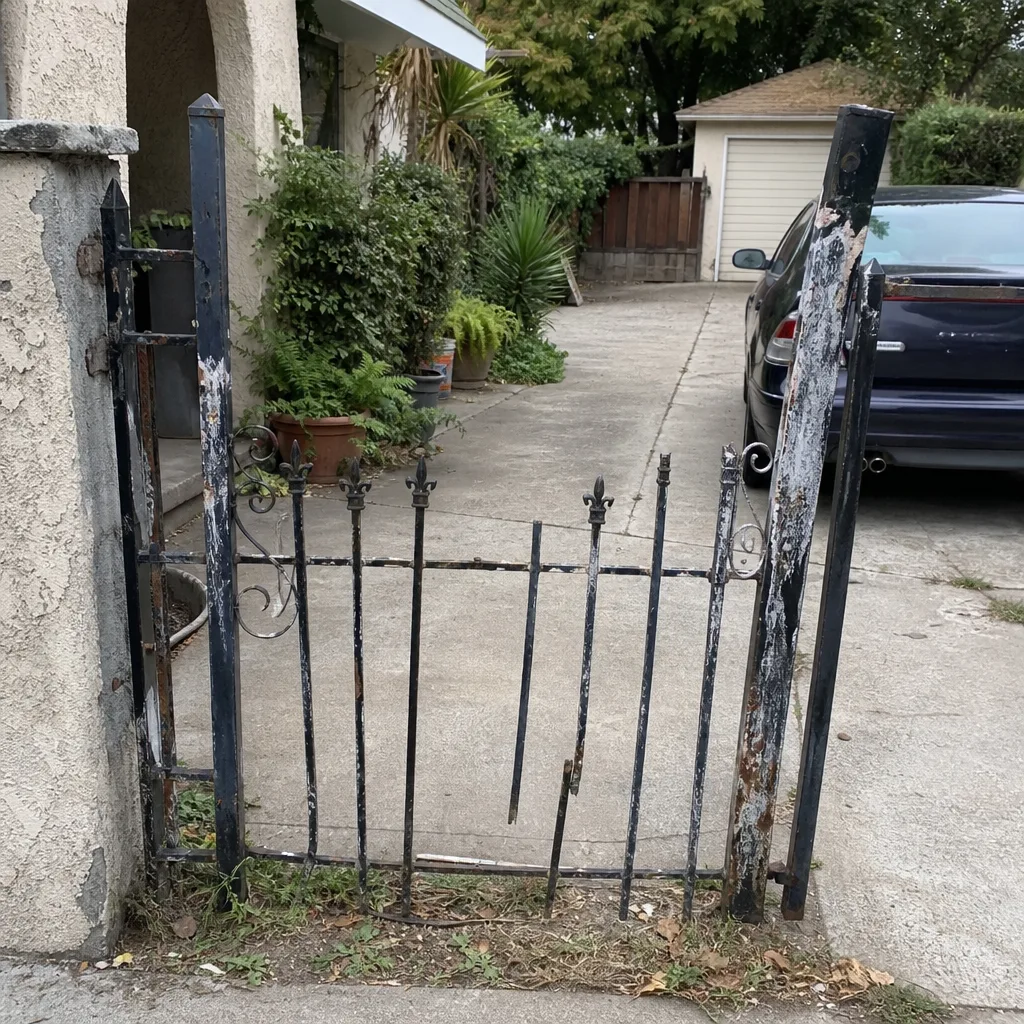 Before
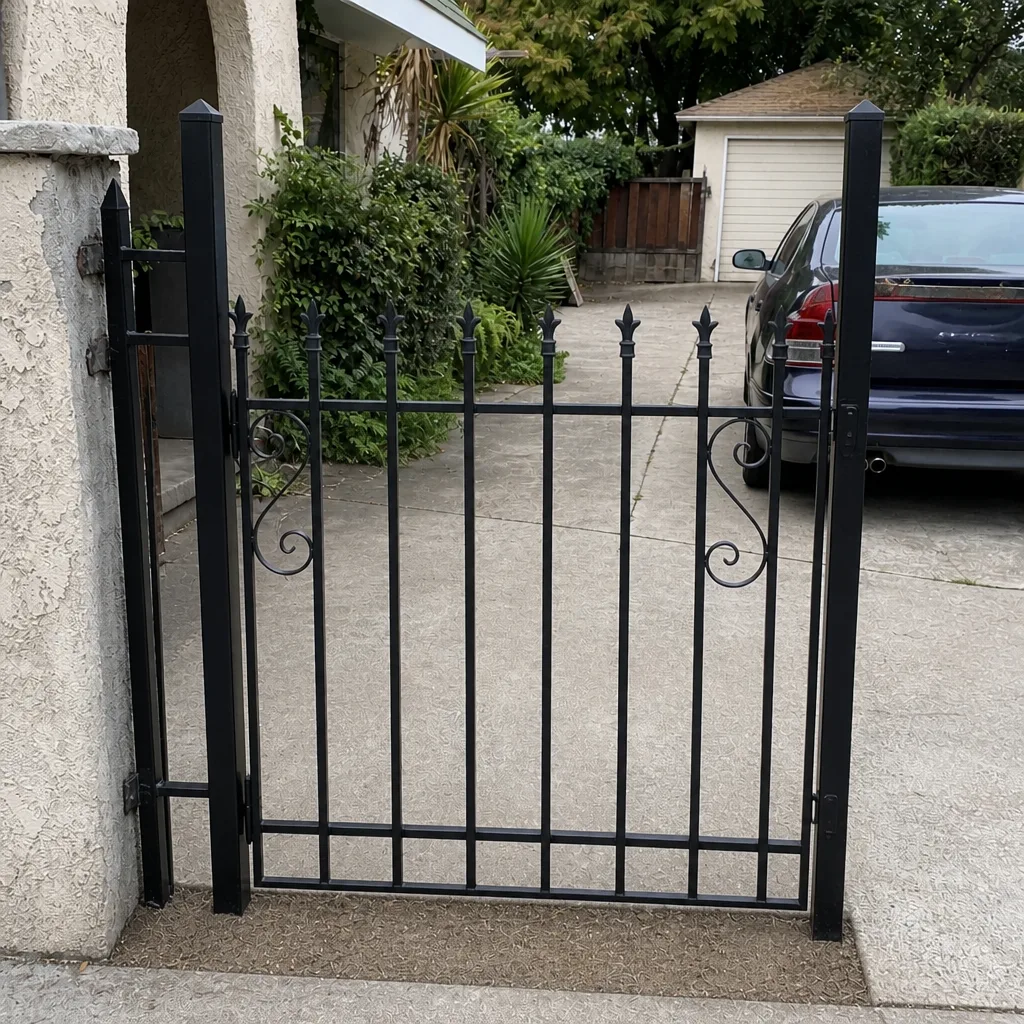 After
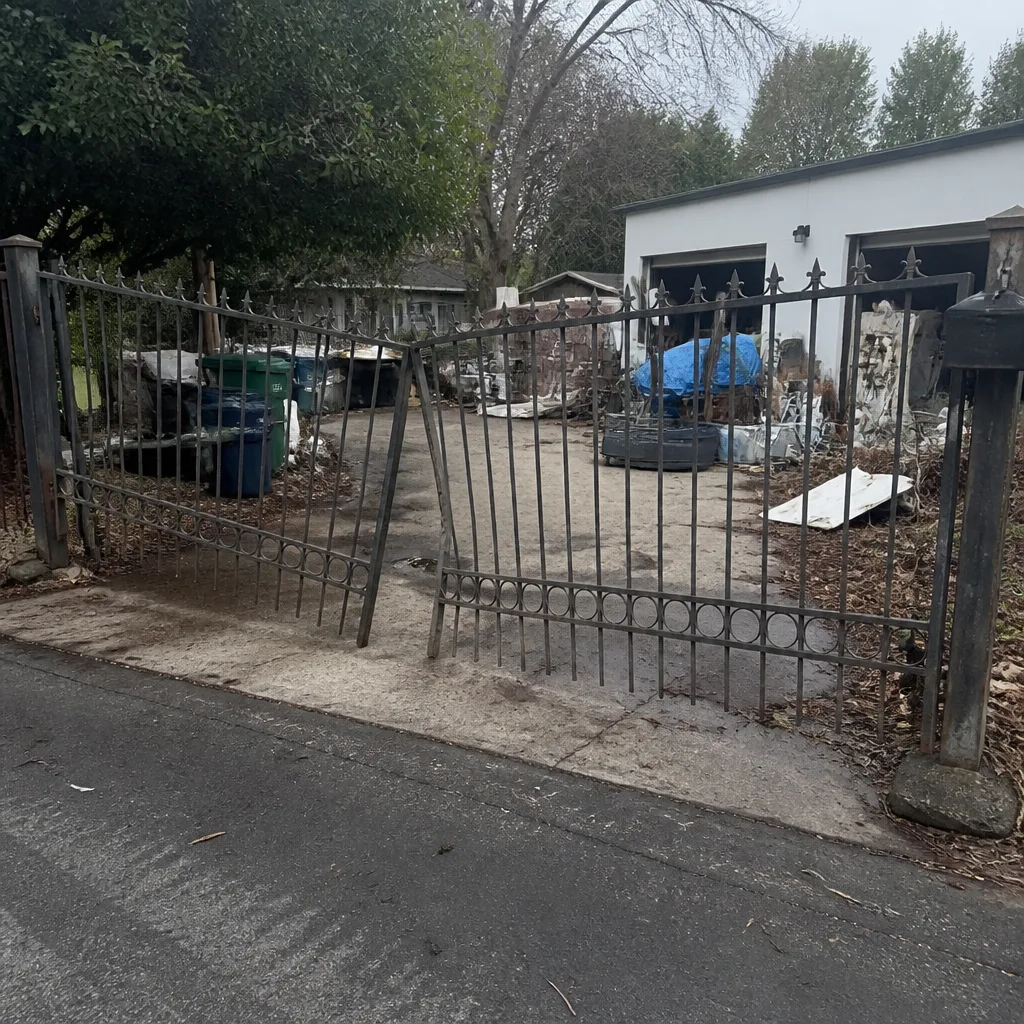 Before
 After
 Before
 After