
Last updated November 4, 2026
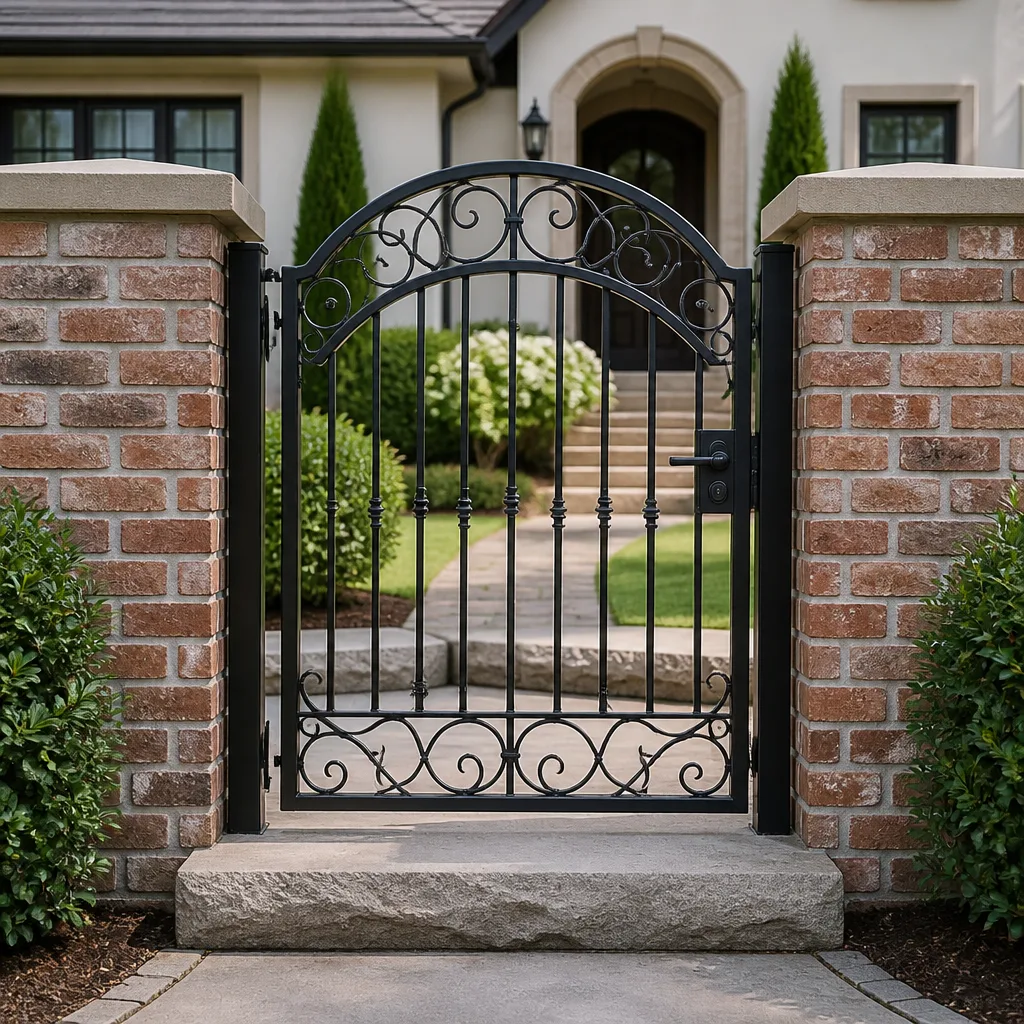 Wrought iron
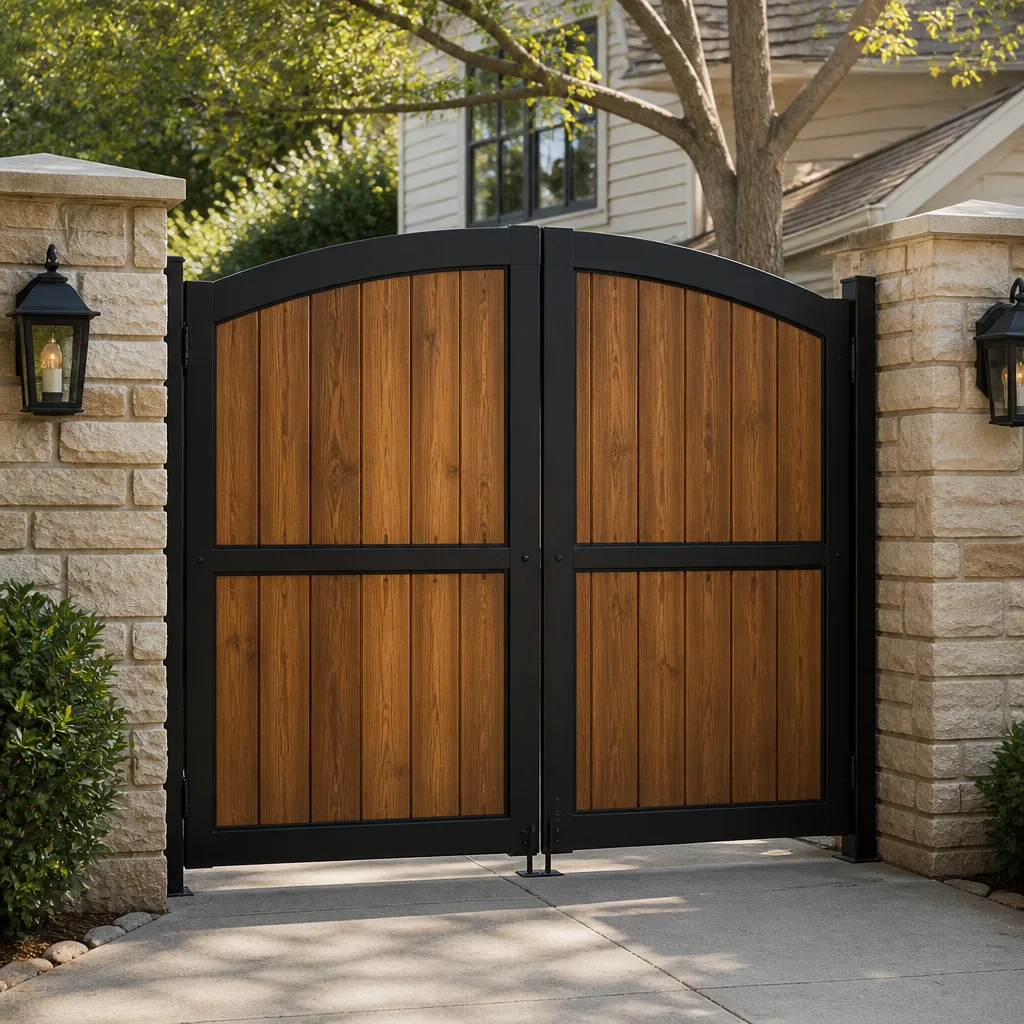 Wood & steel frame
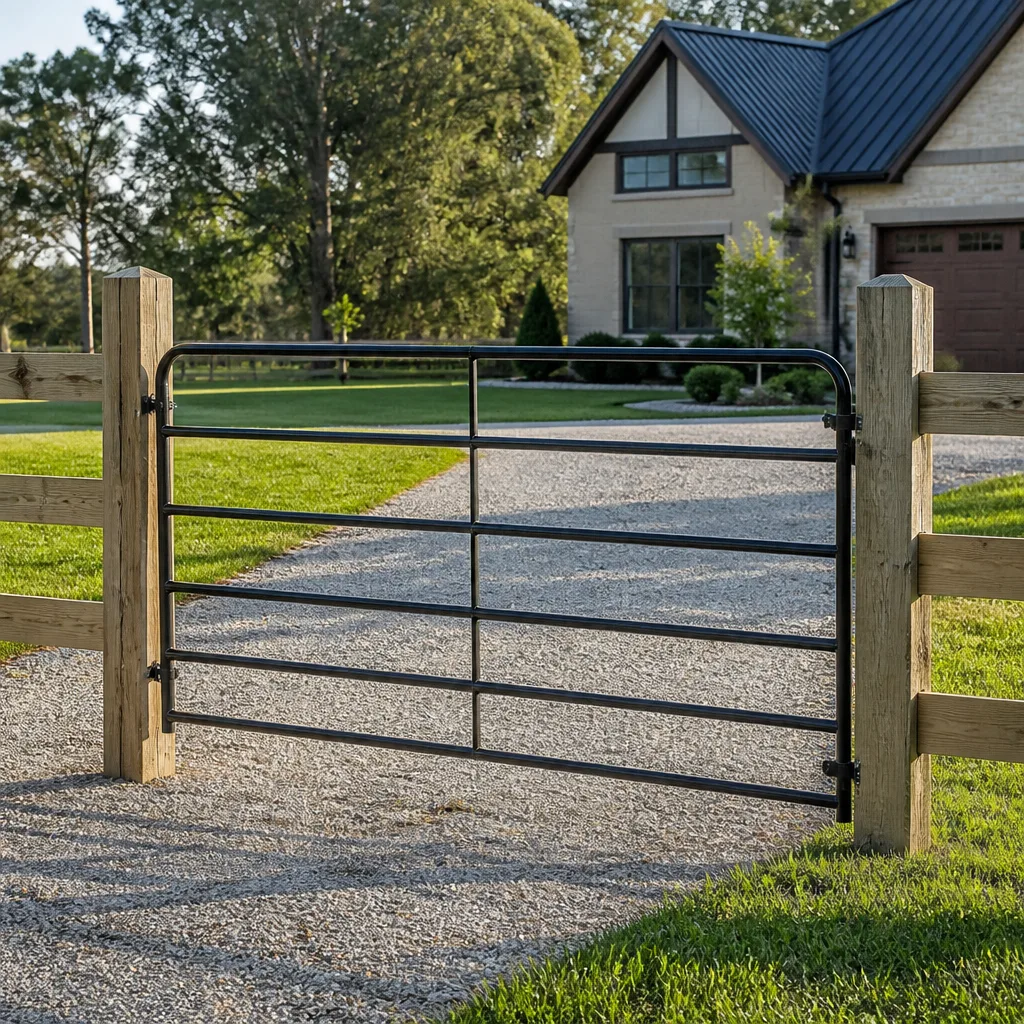 Farm & ranch
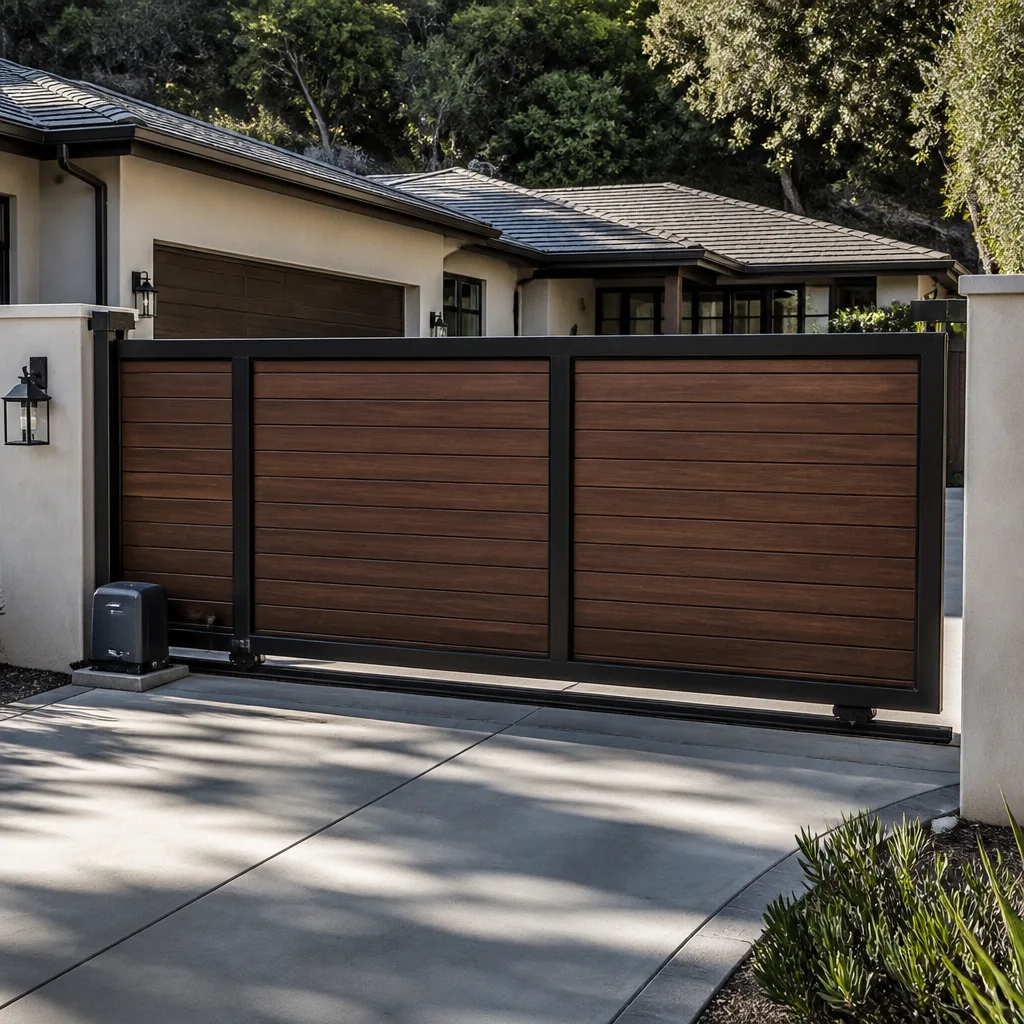 Sliding driveway gates
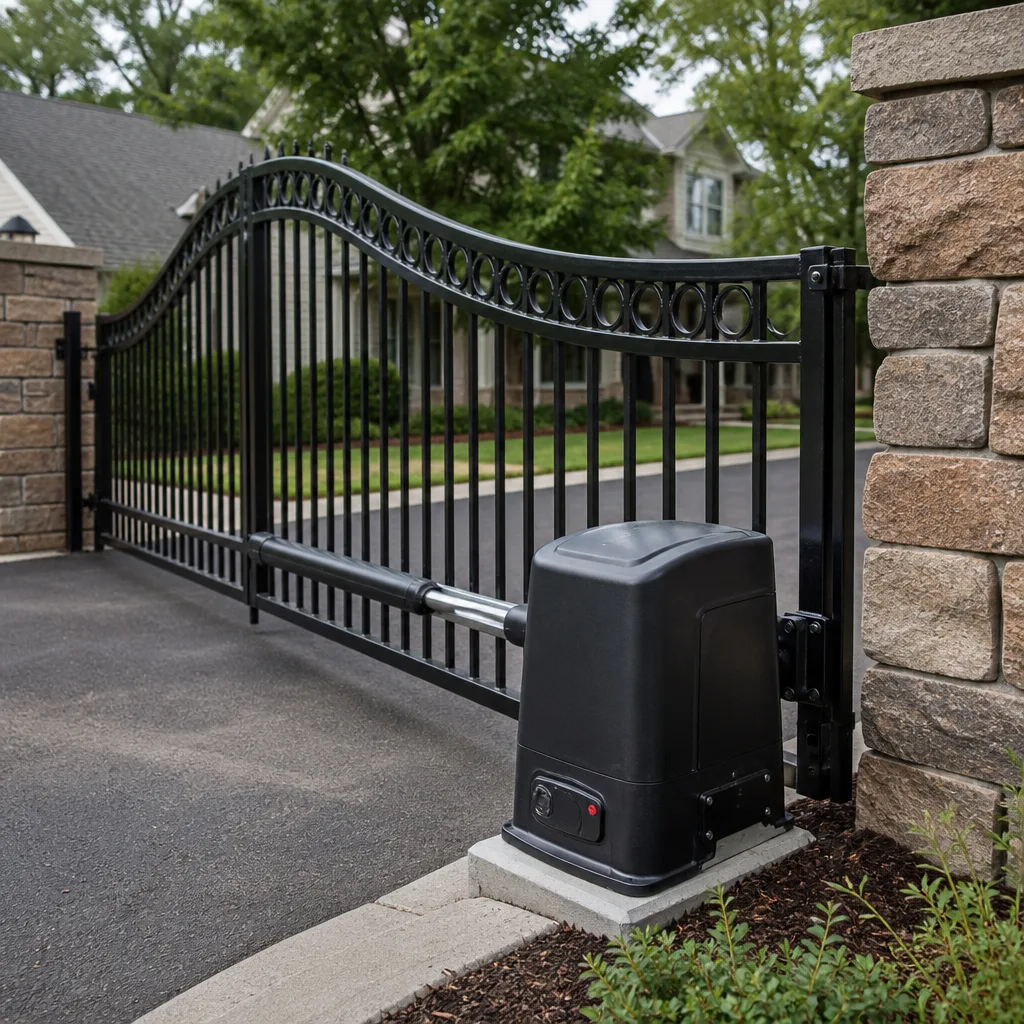 LiftMaster operators
Free on-site gate assessment - hinges, posts, and your LiftMaster or Nice gate operator checked before anything is quoted
The assessment is free and the quote is the invoice.
Get your free estimateThe Complete Guide to Gate Repair in Carmichael
Here’s the thing most people in Carmichael get wrong about gates. They assume a gate that won’t open is a motor problem, when it’s often a hinge that has been grinding itself to powder for two years. A gate that reverses halfway is rarely the remote. It’s usually a safety sensor that has drifted out of alignment, or a controller that lost its force settings. This guide is built to help you figure out which failure you actually have before you spend money on the wrong fix. We’re going to walk through mechanical failures, electrical problems, operator misconfigurations, and the Carmichael-specific conditions that cause failures here more than in other Sacramento suburbs.
Quick Answer
Gate repair in Carmichael typically costs between $180 and $1,400 depending on whether the problem is mechanical, electrical, or a failed operator. Most hinge, post, and wheel repairs run $180-$400, control board and safety sensor issues run $250-$600, and full operator replacement runs $800-$1,400. A legitimate specialist will diagnose by failure mode first, give you a written estimate before work starts, and tell you honestly whether a repair will hold or whether you are throwing money at a gate that needs replacement.
Styles & brands we work with
- Wrought iron
- Wood & steel frame
- Farm & ranch
- Sliding driveway gates
- LiftMaster operators
Table of Contents
- How to Diagnose a Gate Problem by Failure Mode
- Mechanical Failures: Hinges, Wheels, and Hardware Fatigue
- Electrical Failures: Motors, Boards, and Sensors
- Repair vs. Reprogram vs. Replace: The Operator Question
- Why Carmichael Soil Causes Specific Gate Failures
- Which Repairs Hold Long-Term and Which Are Band-Aids
- What a Gate Specialist Should Tell You on the First Visit
How to Diagnose a Gate Problem by Failure Mode
Every gate failure falls into one of three buckets: mechanical, electrical, or operator. The repair path for each is fundamentally different, and misdiagnosing the bucket is how a $40 part turns into a $400 service call. Here is the framework we use on every job in Carmichael.
Mechanical failures are physical things wearing out or breaking. Hinges, wheels, track, post bases, the gate frame itself. A mechanical failure will usually be visible. You will see sag, hear grinding, or notice the gate does not sit square in the opening.
Electrical failures are in the power path. The motor that moves the gate, the control board that tells the motor what to do, the safety sensors that tell the board when to stop, or the wiring connecting all of it. An electrical failure usually shows up as a gate that does nothing, a gate that hums but does not move, or a gate that works intermittently.
Operator failures are configuration and programming problems. The physical gate is fine. The motor is receiving power. But the limit settings are wrong, the force sensitivity is set too high or too low, the remote codes are wiped, or the control board has a fault code stored from a past event. An operator failure usually shows up as a gate that moves but behaves wrong: opens when you tell it to close, reverses before it should, or runs for a second and stops.
Step-by-step: how to figure out which failure you have
- Watch the gate move. If it does not move at all, listen. A click but no movement is usually electrical. Silence with no power at the operator is a breaker, wiring, or board issue. Grinding but no movement is mechanical.
- Check the physical condition. Grab the gate and try to move it manually, if it has a manual release. If it is stiff, heavy, or scraping, you have a mechanical problem that may have also damaged the operator over time.
- Check the operator display or fault lights. Most modern operators from LiftMaster, FAAC, and BFT have LED indicators or digital fault codes. A blinking light tells you whether the board sees a sensor fault, a force fault, or a limit fault.
- Test the safety sensors. If the gate opens fine but refuses to close, or closes and then immediately reverses, the photo eye or safety edge is the first thing to check. This is an electrical problem, not an operator replacement.
- Call with the symptoms, not your theory. When you call Gate Repair Carmichael, tell us exactly what the gate does: which direction it moves, whether it hums, whether the remote LED lights up, what the panel shows. That detail is what gets the right parts on the truck the first trip.
Mechanical Failures: Hinges, Wheels, and Hardware Fatigue
Mechanical failures are the most overlooked part of gate repair. They develop slowly, and by the time you notice, the problem has usually been stressing the operator for months. In Carmichael, the most common mechanical failure is a hinge that has seized from years of dust and heat cycling, followed by wheel assemblies that have flattened or fallen apart.
The hinge is the joint that carries the entire weight of the gate leaf. A residential gate can weigh 300 to 800 pounds depending on material and size. All of that weight sits on two or three hinge points. When a hinge wears, the gate starts to sag. The sag puts lateral load on the operator, which has to work harder to move the same gate. That extra load shortens the motor’s life, and eventually the gate will bind so badly that the operator cannot move it at all.
The fix for a sagging gate is almost always a new hinge or hinge set, not a new operator. In our experience, about a third of the calls we get for “the gate stopped opening” turn out to be a hinge or wheel problem that the operator was fighting. Replacing a hinge runs anywhere from $180 to $350 per hinge, depending on gate weight and whether the post is still sound.
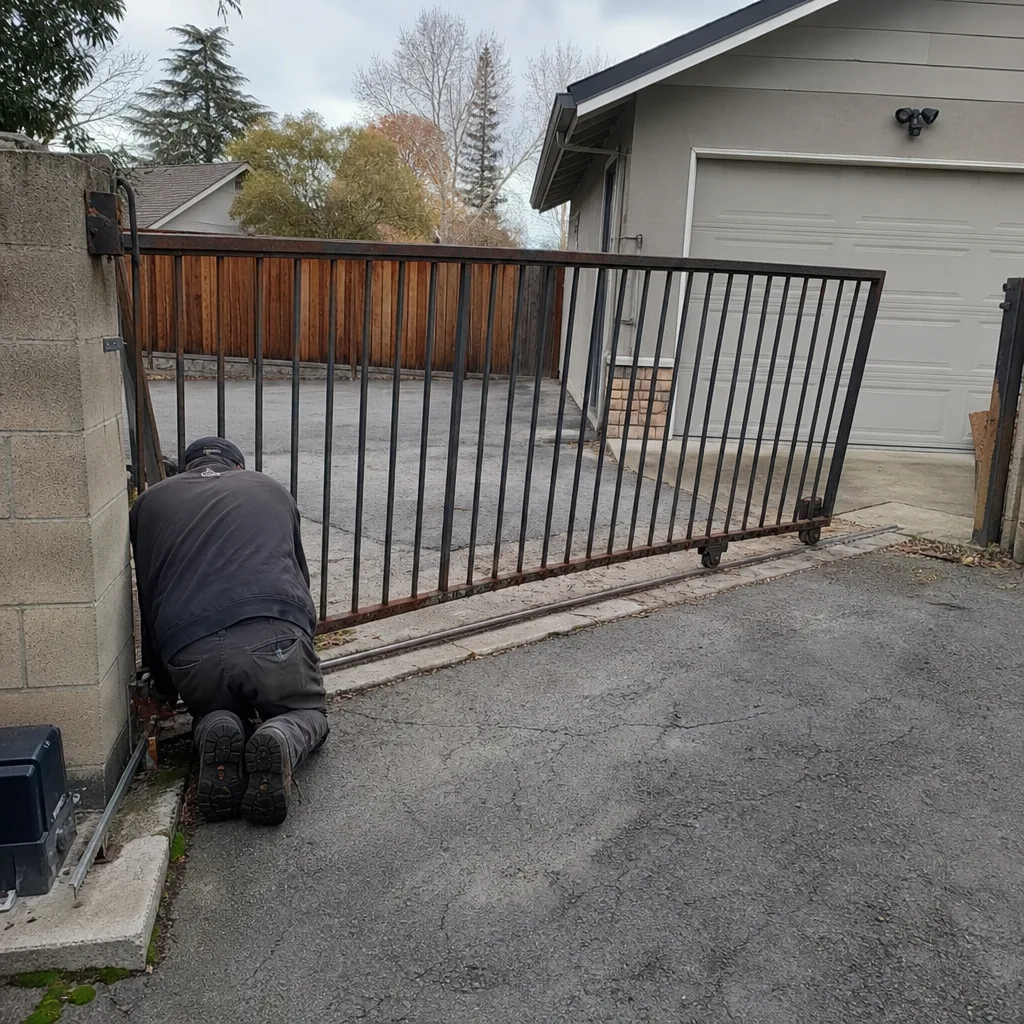
Sliding gate systems use wheels that ride on a track or the driveway surface. Carmichael’s dry summers put a lot of fine dust in the air, and that dust works its way into wheel bearings. The bearing seizes, the wheel stops rolling, and the gate starts dragging. You will see flat spots on the wheels or a scrape mark on the concrete. New wheels run $200 to $400 installed, roughly, depending on access and how many need replacing.
Electrical Failures: Motors, Boards, and Sensors
Electrical failures are where the generalist contractor usually gets lost, and where a gate specialist earns the call. These are the problems you cannot see. The gate looks fine. The hinges are tight. But the thing will not move, or it moves at random times, or it only works from the keypad and never from the remote.
The most common electrical component failures we see on Carmichael gates are control board failures, capacitor failures, and safety sensor faults. Control boards fail for a few reasons. Heat buildup inside the operator housing, especially on gates that face west and take the afternoon Sacramento sun, cooks the electrolytic capacitors over time. A power surge, common with the area’s occasional summer thunderstorms, can take a board out instantly. And ants. Ants are a genuinely common cause of board failure in Carmichael. They nest in the warm operator housing, bridge contacts, and short the board.
A failed board usually shows one of two symptoms: the gate does nothing at all but has power at the operator, or the gate behaves erratically and the remote codes have to be reprogrammed constantly. A board replacement runs $300 to $600 on most residential operators, depending on the brand. We service LiftMaster, FAAC, BFT, Linear, Viking, Ghost Controls, DoorKing, Elite, and Mighty Mule, so we will know which board your operator takes and whether it is still available.
Safety sensors deserve their own mention. Every automated gate made in the last 20 years has at least one safety edge or photo eye. These are the parts that stop the gate if a person, car, or pet is in the path. A misaligned photo eye, a cracked safety edge, or a damaged sensor wire will make the gate reverse immediately or refuse to close. The sensor itself is often fine. It is the wiring, or the alignment, or the crimp connector that corroded. Sensor diagnostics should be part of every electric gate repair call, not an afterthought.
Repair vs. Reprogram vs. Replace: The Operator Question
When the operator misbehaves, the first question is whether it needs a repair, a reprogram, or a replacement. The answer depends on age, brand, and what the fault actually is. This is where honest diagnostics saves you real money.
Repair applies when a specific component has failed and the rest of the operator is sound. A bad capacitor, a worn drive gear, a failed limit switch, a burnt relay. These are parts-level fixes. A capacitor replacement might run under $100. A gear replacement, a few hundred. If the board is fine and the motor is fine, repairing the failed part is almost always the right call.
Reprogramming applies when the hardware is healthy but the settings are wrong. Force sensitivity that is too aggressive, limit switches that were set incorrectly, remote codes that got wiped, a closed-loop sensor that was bumped. Reprogramming costs less than any part replacement, and it is usually done on the same visit. On older or discontinued operators from brands like Mighty Mule or older Linear models, a reprogram and tune is often the best way to get more life out of a unit that is still mechanically solid.
Replacement applies when the operator is obsolete, the board is no longer available, the motor has suffered water damage, or the gate has been hit by a car and the housing is cracked. Operator replacement for a residential swing or slide gate in Carmichael runs roughly $800 to $1,400 installed, depending on gate size, weight, and which safety features the new unit requires. A replacement is also the right call when the existing operator is undersized for the gate it is trying to move, which happens when someone swapped a heavier gate leaf onto an old motor.
A specialist will tell you which of these three paths you are on, and why, before any work starts. If you are not told which one it is, ask.
Why Carmichael Soil Causes Specific Gate Failures
Carmichael sits on some of the heaviest clay soil in Sacramento County. Clay expands when it gets wet in winter and contracts as it dries through the long summer. That movement, repeated year after year, does something specific to gate posts. They lean. The front of a gate post can drift outward a quarter inch over several years. The gate still latches, more or less, but the hinges are no longer in the same plane. The gate starts binding at the latch, then the operator starts laboring, and eventually the whole assembly is working against itself.
This is different from what you see in newer Sacramento suburbs built on sandier soil. There, gates tend to stay plumb and the failures are mostly in the hardware. In Carmichael, we see post-base failure more often, particularly on gates that were installed without deep concrete footings or with undersized posts.
The fix is not always a new gate. Sometimes the post can be re-set in a larger footing. Sometimes the hinge side can be adjusted enough to buy years. But the point is that a sagging Carmichael gate is often not a hinge problem at all. It is a soil problem, and the repair has to account for that. If you only swap the hinge, the post keeps leaning and the new hinge fails again in eighteen months.
This is a Carmichael-specific failure mode that a generalist who mostly works in Folsom or Roseville will not necessarily think about. A gate specialist who works in Carmichael every week will check the post before they check the hinge.
Which Repairs Hold Long-Term and Which Are Band-Aids
Some gate repairs are permanent. Some are not. The difference matters because a band-aid repair can cost you more in six months than doing it right the first time.
Repairs that hold: A new hinge on a sound post. A new wheel assembly on a sliding gate. A new safety sensor with properly sealed connectors. A new capacitor in an otherwise healthy operator. A board replacement with a surge protector added to the circuit. All of these fix the root cause, and they should last for years.
Repairs that are temporary: Welding a cracked gate frame without addressing why it cracked. Tightening the limit switch when the problem is the gate binding against a leaning post. Resetting the breaker on an operator that keeps tripping without finding the short. Greasing a hinge that has already worn through the barrel. These will get the gate moving again, temporarily, and the next failure will be worse and more expensive.
The band-aid question comes down to this: does the repair address why the part failed? If the answer is no, you are renting time. In Carmichael’s climate, with months of dry heat followed by wet winters, a greased worn hinge will fail by the next rainy season. A reset breaker will trip again the first time the operator pulls full load. We tell customers when a repair is temporary, and we write the estimate so the difference is clear.
What a Gate Specialist Should Tell You on the First Visit
A real gate specialist will do a few things on the first visit that a generalist handyman will not. The first is visible: we check the whole system, not just the part that broke. If a hinge failed, we look at every other hinge, the post, the wheel assemblies, and the operator’s force settings, because the failed part may have been taking load from another part that is now about to fail.
The second is that we ask about the operator’s history. When did it start acting up? Did it happen after a storm? Did the sensors ever get hit? Was there a power outage? That history goes a long way with brands like FAAC and BFT, where the board stores fault codes you can only read with the right diagnostic knowledge, not universal equipment.
The third is the one that matters most: we tell you what NOT to fix. If the post is leaning and the hinge is worn, fixing only the hinge is a bad spend. If the operator is 18 years old and the board is discontinued, putting $500 into it is a judgment call we will lay out honestly. A specialist’s job is not to sell you the most parts. It is to give you a repair that holds, at a price that makes sense for the gate you have.
We serve Carmichael, Fair Oaks, Citrus Heights, and the surrounding Sacramento suburbs. We work on your brand, whatever it is. If you have a LiftMaster, a FAAC, a Viking, or an Elite, we have seen that exact unit before, and we will diagnose it by failure mode, not by guesswork.
Common Mistakes to Avoid
- Replacing the operator when the hinge is the problem. An old operator working against a sagging gate will burn out, but replacing it without fixing the mechanical bind just burns out the new one faster.
- Ignoring a gate that is getting slower. Gates do not slow down for no reason. A gradual slowdown means the operator is fighting increasing mechanical resistance, and the fix is cheaper the earlier you catch it.
- Ordering parts online by symptom. “Gate won’t close” gets you a control board, a sensor, a remote, and a capacitor in the shopping cart. But you only need one of those things, and you need the diagnosis before you open the box.
- Resetting the breaker repeatedly without finding the cause. A gate that trips its breaker is telling you there is a short, a ground fault, or a failing motor. Resetting it is not a repair.
- Letting Carmichael clay soil go unchecked. If your post is leaning a quarter inch this year, it will be a half inch next year. The time to re-set a post is before the gate stops latching.
- Hiring by price alone. A generalist who “works on gates sometimes” will charge less than a gate specialist, and fix the wrong thing. The second service call erases the savings.
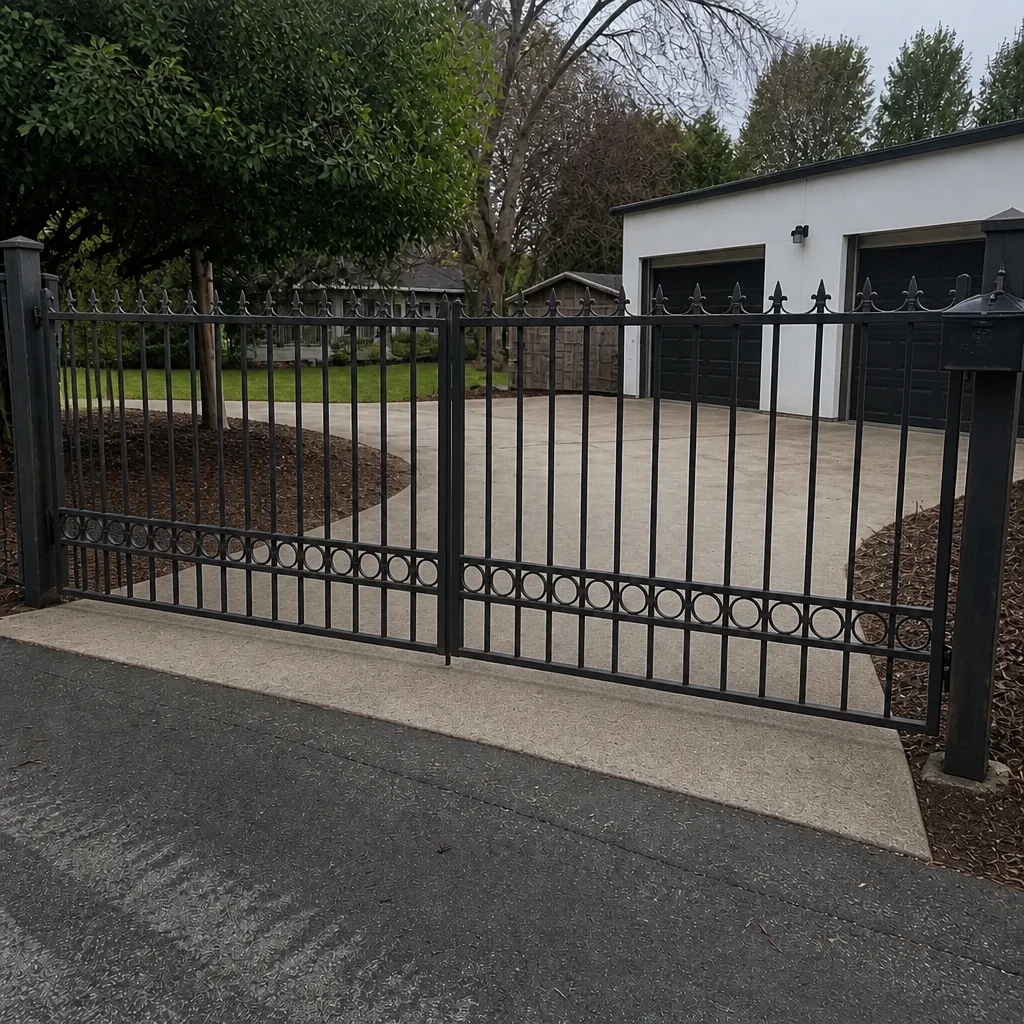
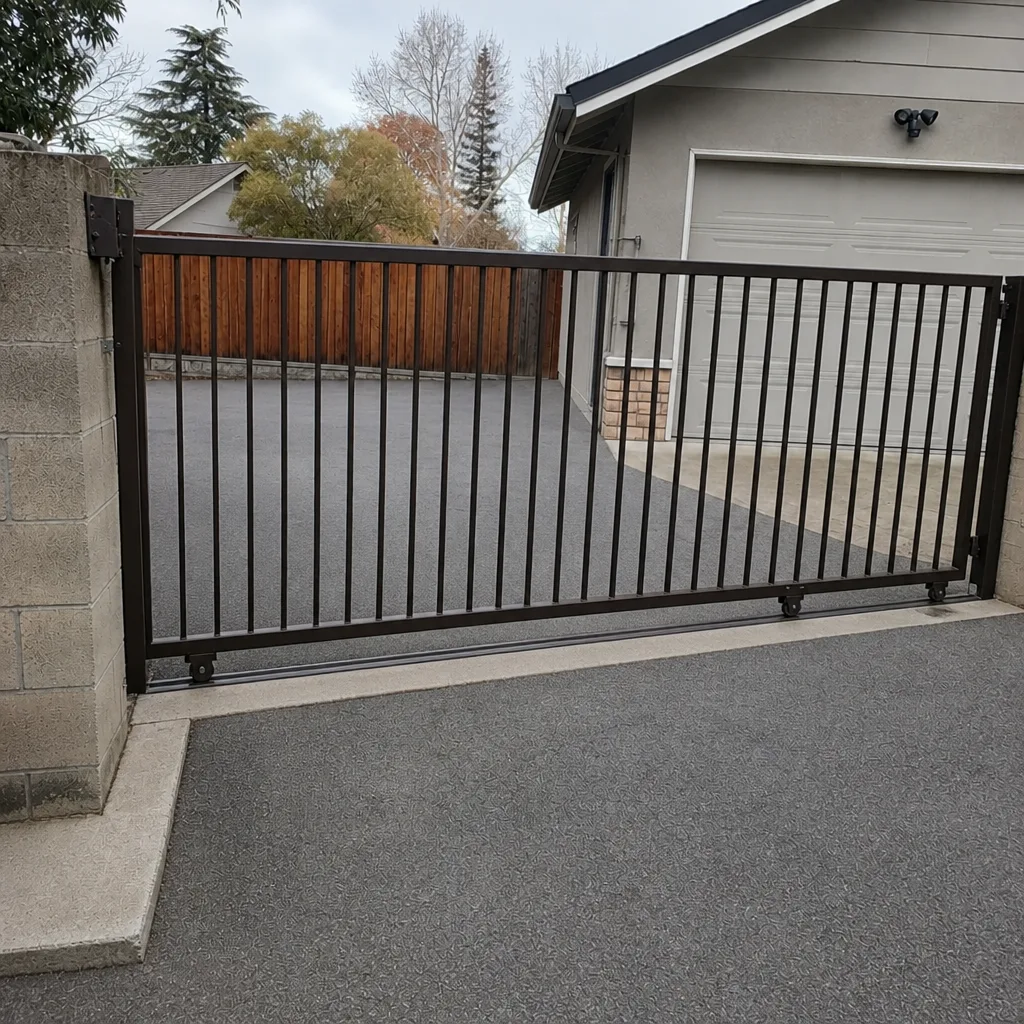
See the difference
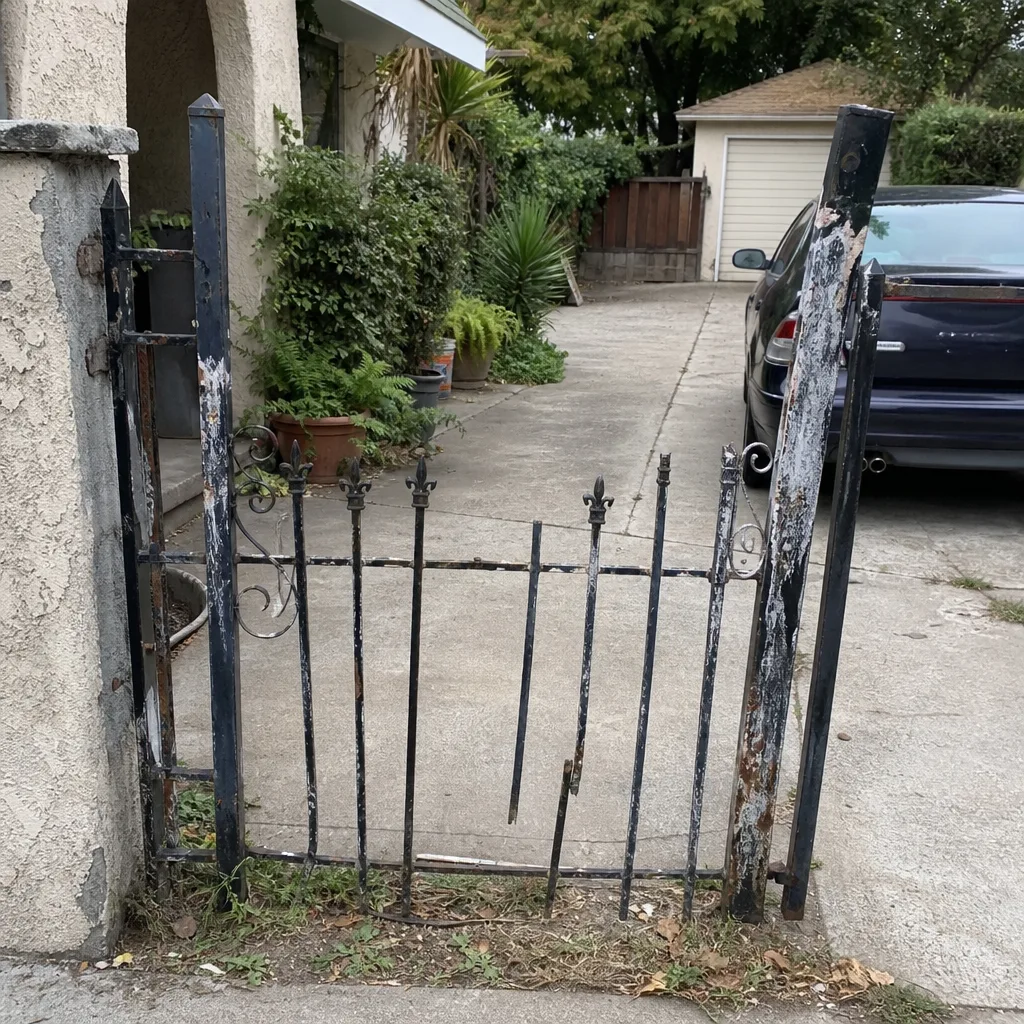 Before
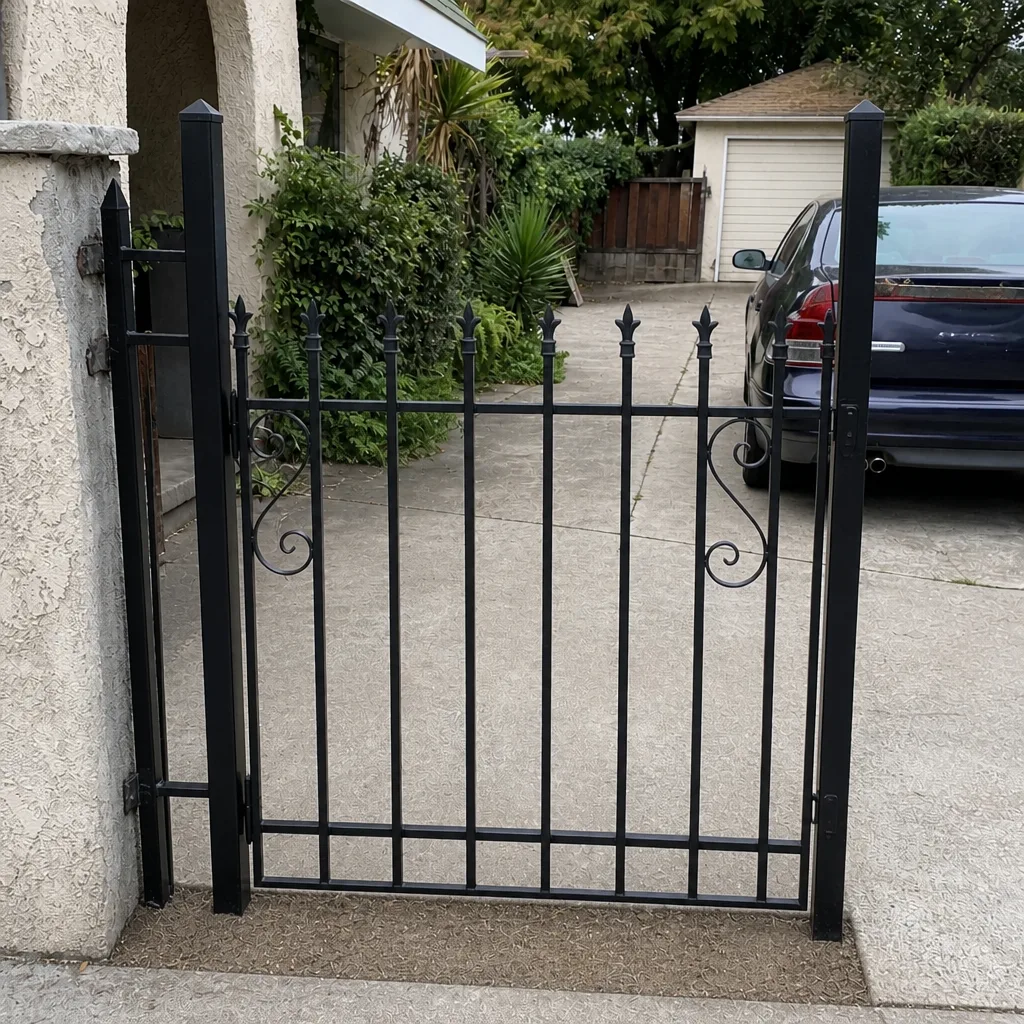 After
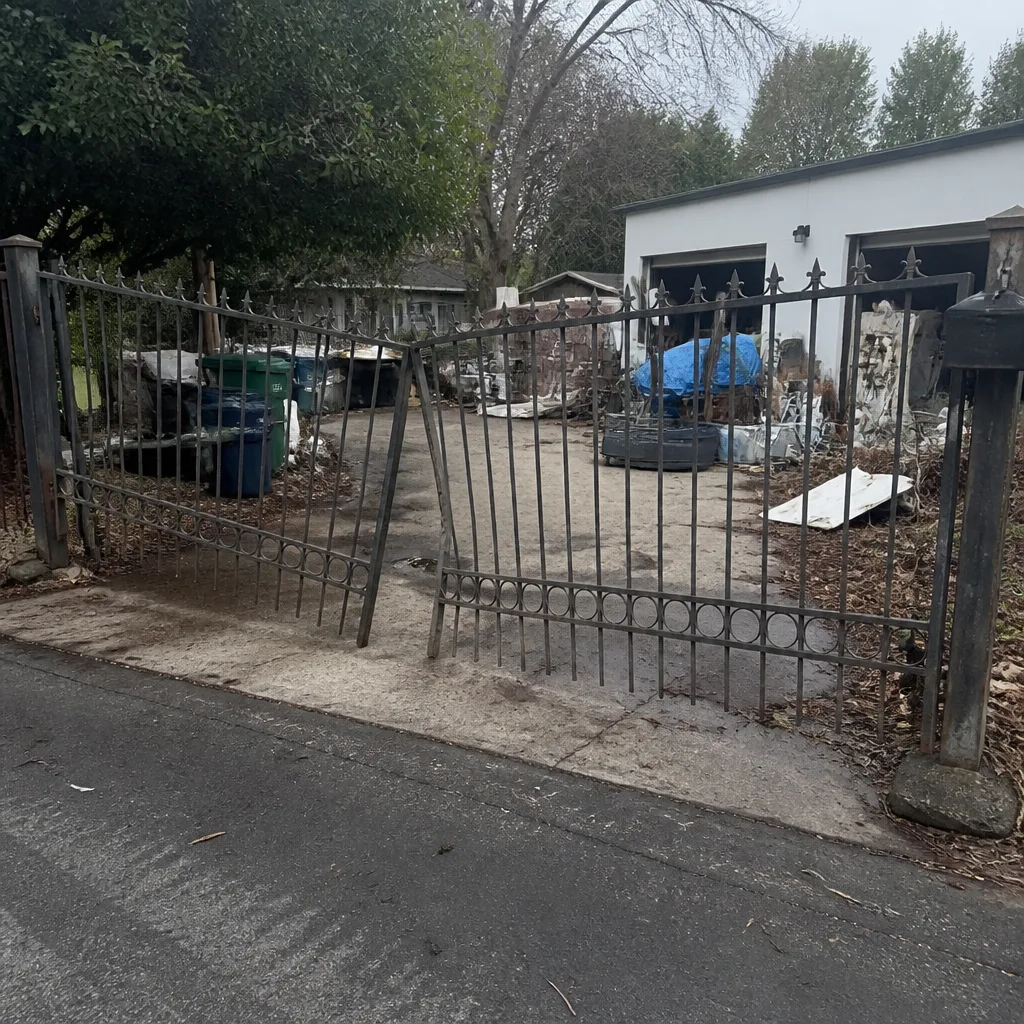 Before
 After
 Before
 After
When to Call a Professional
Call when the gate is not working, when it is working but making a new sound, or when it is working slower than it did a month ago. Call when the post is leaning, the gate is sagging, or the safety sensors will not stay aligned. Call when the operator works from the wall station but not the remote, or the remote but not the keypad. Those are electrical problems that get worse with guessing. Do not call a guy with a truck and a multimeter who also does fences, decks, and gutters. Call a gate specialist. Gate Repair Carmichael offers free estimates in Carmichael – call (877) 752-3866. We answer 24/7. Fast dispatch from 7am to 7pm, Sunday through Friday.
Frequently Asked Questions
Typical gate repair in Carmichael runs $180 to $1,400 depending on the failure. Hinge, wheel, and post repairs run $180 to $400. Control board and sensor repairs run $250 to $600. Operator replacement runs $800 to $1,400. Every job is quoted in writing before work begins, and the estimate is free. Call (877) 752-3866 for an exact quote on your gate.
Yes, same-day service is available for many repairs, particularly mechanical fixes and operator issues. Call (877) 752-3866 when the gate fails. We answer 24/7 and dispatch from 7am to 7pm, Sunday through Friday. If the call comes in outside dispatch hours, you will be booked into the next opening.
We work on LiftMaster, FAAC, BFT, Linear, Viking, Ghost Controls, DoorKing, Elite, and Mighty Mule. That covers most residential and light commercial gates in Carmichael. Whatever opener you have, we know it. If you were told by another company that they do not work on your brand, call us.
A gate that opens but will not close is almost always a safety sensor problem. The photo eye is misaligned, the safety edge is damaged, or the sensor wiring has a fault. The operator is doing exactly what it is designed to do: preventing a closure when it sees an obstruction. It is an electrical repair, not an operator replacement. Call (877) 752-3866 for a diagnostic visit.
It depends on the failure mode and the age of the system. If the posts are square, the gate frame is sound, and the operator is repairable, repair is usually the better spend. If the post is leaning from Carmichael clay movement and the operator is discontinued, replacement may be cheaper over five years. We will give you the straight answer in the written estimate.
Full gate replacement includes removing the old gate and operator, setting new posts in proper concrete footings sized for Carmichael soil, installing the new gate leaf or leaves, mounting and programming the operator, and installing the required safety sensors. Most residential replacements take one to three days depending on size and automation level. Pricing is set per job by the written estimate, not by a flat rate.
The Bottom Line
Gate repair in Carmichael is a diagnosis problem before it is a parts problem. The gate that reverses, the gate that will not open, and the gate that opens but will not close are different failures with different fixes. Knowing whether you have a mechanical, electrical, or operator failure tells you whether you are looking at a hinge, a control board, or a reprogram. Carmichael’s clay soil adds a layer most suburbs do not deal with, and it is why post movement is something every local gate owner should check yearly. A specialist will tell you the difference between a permanent fix and a band-aid. That honesty is the whole job. For an honest diagnosis and a written estimate, call gate repair at (877) 752-3866. We serve Carmichael and the surrounding Sacramento area, and we answer 24/7.
Written by the team at Gate Repair Carmichael, serving Carmichael since 2014.