
Last updated November 4, 2026
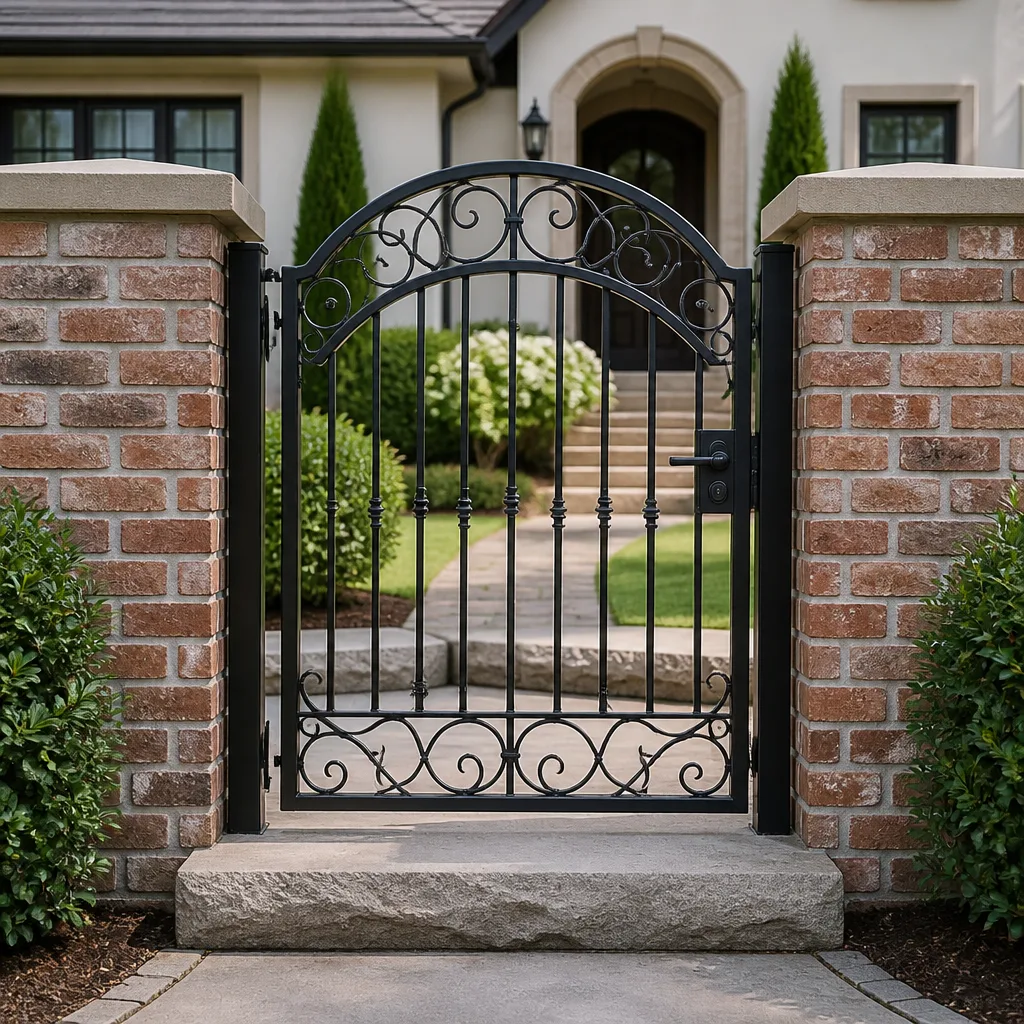 Wrought iron
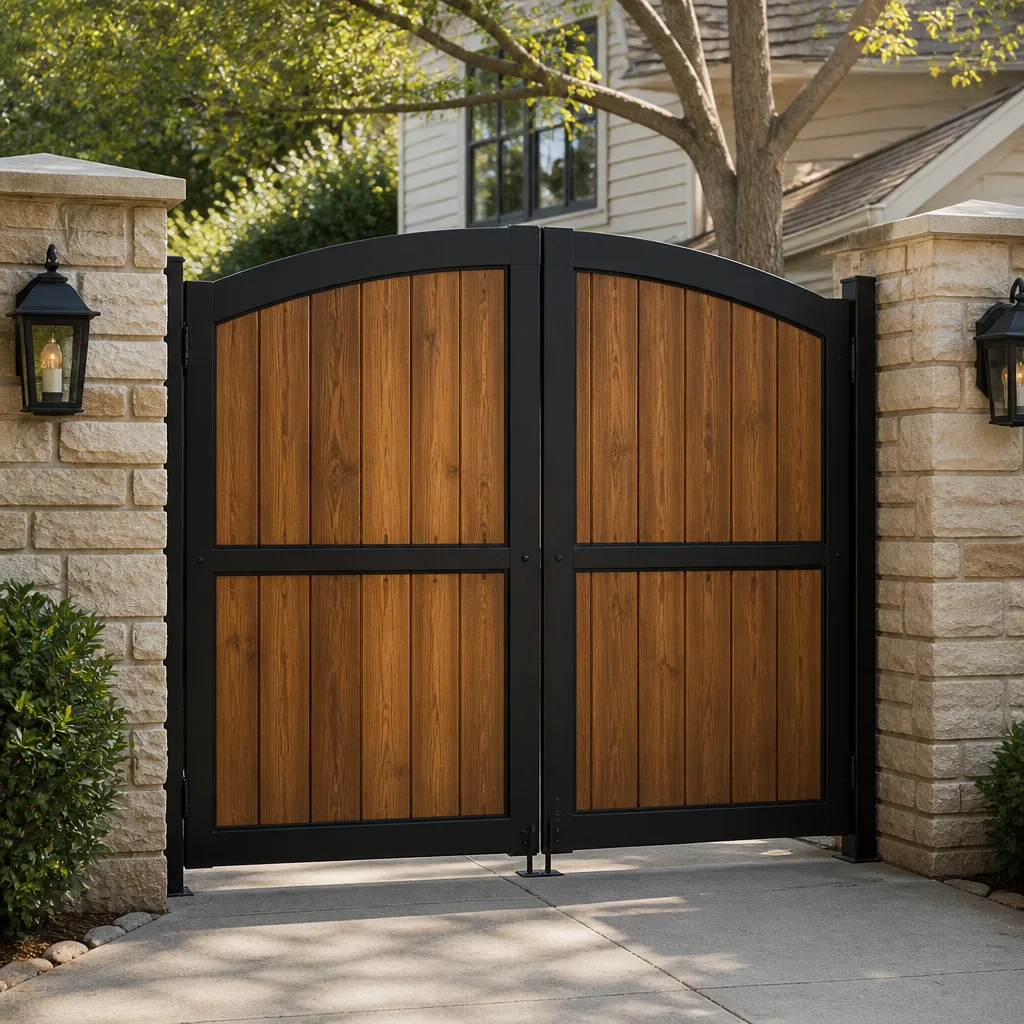 Wood & steel frame
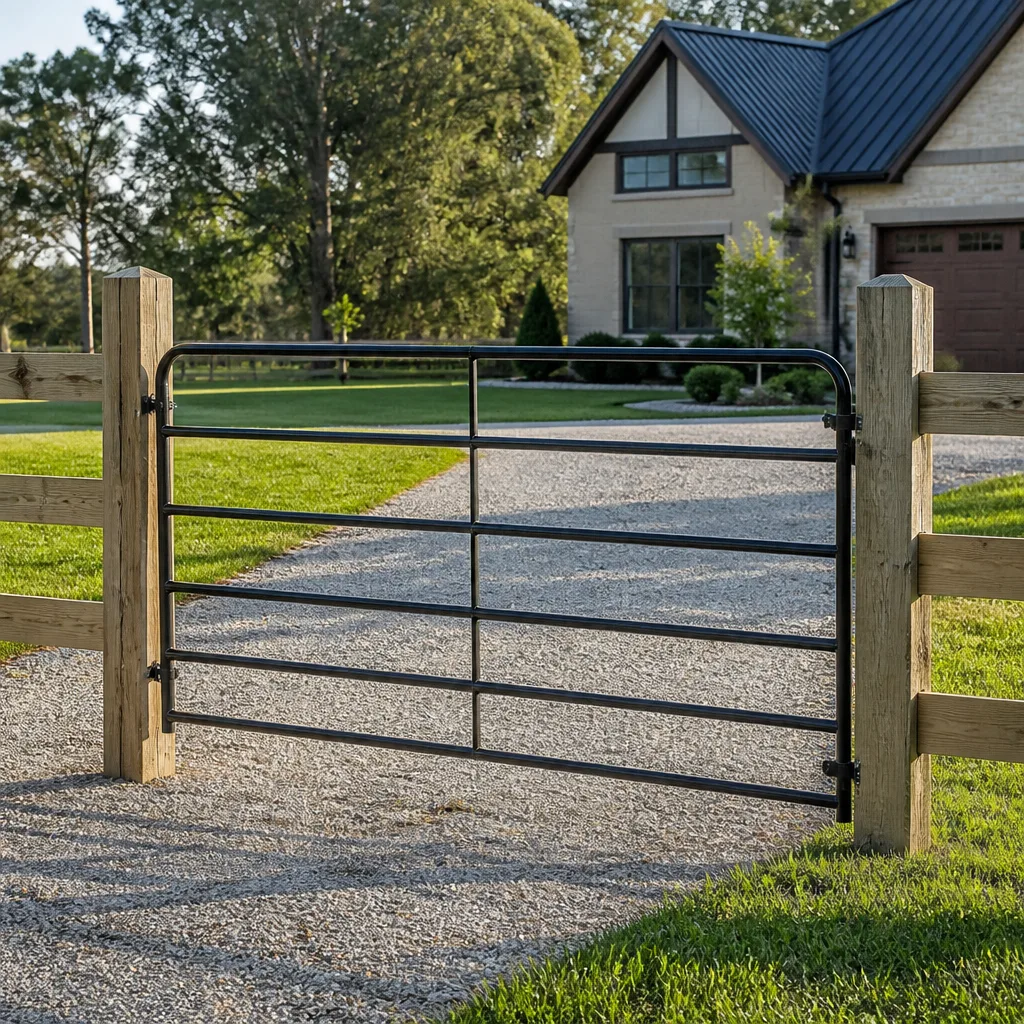 Farm & ranch
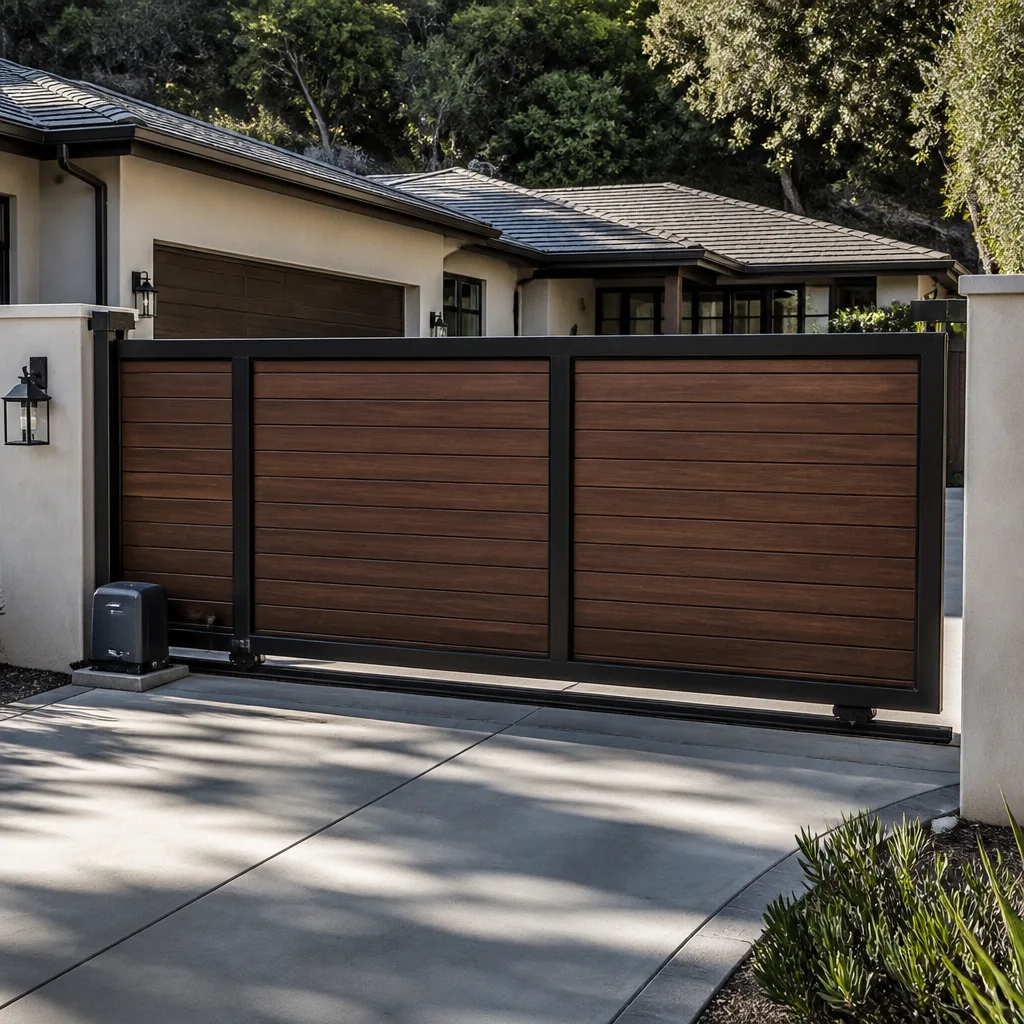 Sliding driveway gates
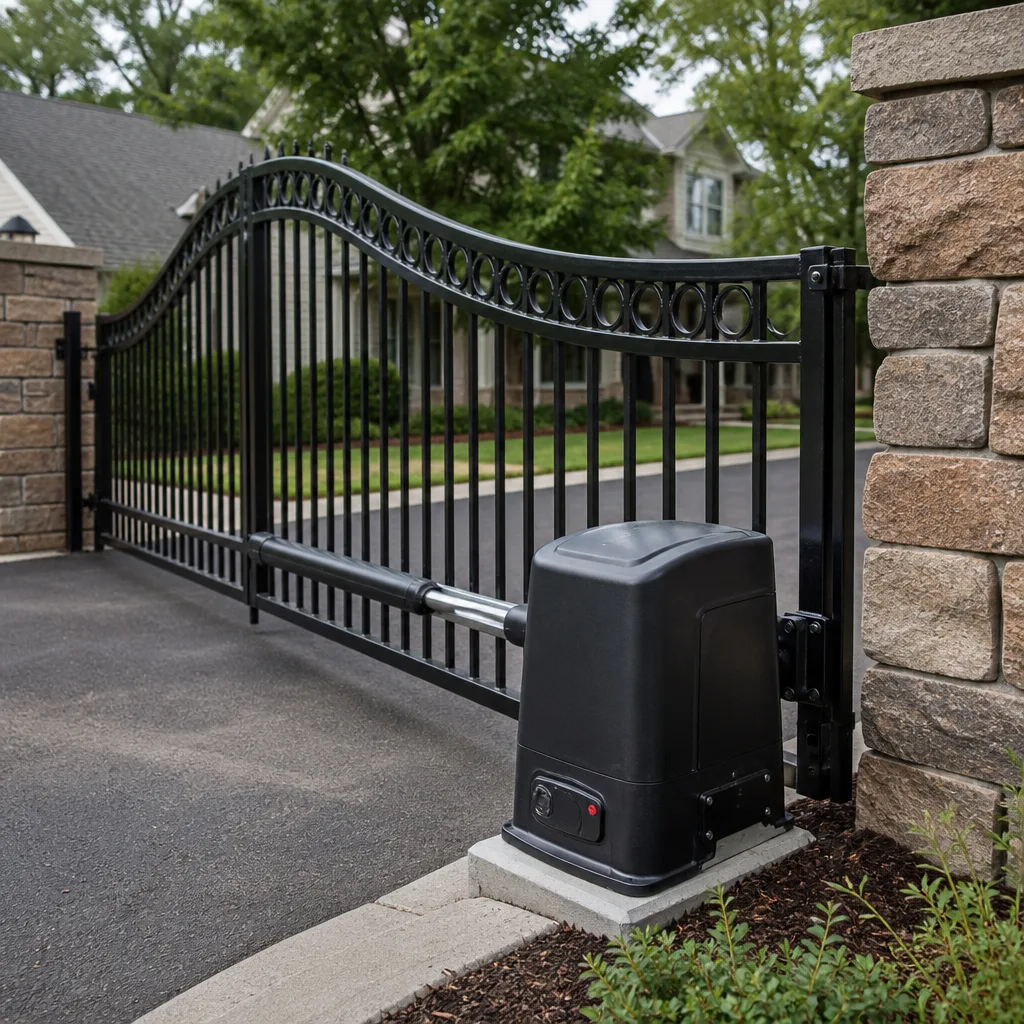 LiftMaster operators
Free on-site gate assessment - hinges, posts, and your LiftMaster or Nice gate operator checked before anything is quoted
The assessment is free and the quote is the invoice.
Get your free estimateChoosing the Right Gate Repair Brand: A Buyer’s Guide for Carmichael
Most people start their search for a gate operator by asking which brand is best. That’s the wrong question. LiftMaster is the most installed gate operator brand in residential Sacramento, which also makes it the easiest to find parts for, the easiest to find technicians for, and not necessarily the best choice for your specific application. A lightly used residential swing gate in Carmichael has completely different demands than a commercial slide gate cycling fifty times a day near Fair Oaks Boulevard. This guide explains how to match the brand to the gate, the climate, and the actual usage pattern so you don’t pay for capability you’ll never use, or worse, buy a system that wears out early because it was never built for your duty cycle.
Quick Answer
The right gate brand for a Carmichael property depends on three things: your gate type (slide or swing), your daily cycle count, and how easily you can get parts in the Sacramento market. LiftMaster and DoorKing are the most serviceable residential and light commercial brands locally because their parts sit on distributor shelves in Sacramento, not in a warehouse two states away. FAAC, BFT, and Viking excel in heavy-duty and high-cycle commercial applications but often require longer parts lead times. Our advice after working across all nine major brands: choose the operator that a local specialist can service quickly, because every brand eventually needs a board, a limit switch, or a new motor.
Styles & brands we work with
- Wrought iron
- Wood & steel frame
- Farm & ranch
- Sliding driveway gates
- LiftMaster operators
Table of Contents
- Understanding Duty Cycle: The Spec Nobody Checks
- Brand Breakdown by Gate Type and Application
- Parts Availability in the Sacramento Market
- How Carmichael’s Heat Affects Gate Operators
- Serviceable vs. Proprietary Brands: The 10-Year Cost
- Why Brand-Agnostic Diagnosis Matters More Than Brand Loyalty
- Common Mistakes to Avoid
- When to Call a Professional
- Frequently Asked Questions
Understanding Duty Cycle: The Spec Nobody Checks
Duty cycle is the percentage of time an operator can run in a ten-minute window without overheating. A residential operator rated for 20% duty cycle is designed to run for about two minutes out of every ten. That’s fine for a gate that opens six times a day. It’s not fine for a small commercial property on busy Carmichael streets where the gate cycles forty or fifty times between morning and evening. When the duty cycle is exceeded repeatedly, the motor runs hot, the capacitor takes abuse, and the control board eventually fails. This is the single most common reason a residential-grade operator dies young at a commercial address.
The failure looks sudden. The reality is incremental heat stress accumulated over months. Manufacturers publish duty cycle ratings for a reason, and those ratings vary dramatically between brands. Viking’s commercial slide gate operators are built for continuous or heavy-duty cycles. Mighty Mule’s entry-level units are not. The brand isn’t worse. It’s designed for a different job.
A useful way to think about it:
- 0-10 cycles per day: residential swing gate, single family, dead-end street in Carmichael. Almost any residential brand works.
- 10-25 cycles per day: small multi-tenant property, larger residential estate, or a home with home-based business traffic.
- 25-50 cycles per day: light commercial, church parking lot, small office complex. Residential brands will struggle here.
- 50+ cycles per day: commercial. You need a commercial-duty operator from Viking, FAAC, BFT, or a commercial Line from LiftMaster or DoorKing.
We tell every customer to count their actual cycles before choosing a brand. Not guess. Count. Stand there for a morning and count how many times the gate moves. The number will surprise you, and it’s the most important spec on the data sheet.
Brand Breakdown by Gate Type and Application
Each brand on the market has a design philosophy. Some optimize for affordability and DIY installation. Others optimize for industrial cycle counts and integrated access control. Understanding that philosophy predicts how the operator will behave on your gate.
LiftMaster and DoorKing: These are the workhorses of residential and light commercial gates in Carmichael. LiftMaster’s residential slide and swing operators are ubiquitous, well-built for their price point, and supported by the deepest parts distribution network in the region. DoorKing sits a half-step above in build quality and is the most common brand we see on older Sacramento light commercial properties. Both brands offer model lines that span from basic residential to serious commercial duty. DoorKing’s 9150 slide gate operator, for example, handles significantly more daily cycles than a residential LiftMaster. The brand matters less than getting the right model within the brand.
FAAC and BFT: These Italian brands dominate high-cycle and hydraulic applications. FAAC hydraulic operators run extremely smooth swing gates and hold up to commercial traffic well. BFT is known for reliable, no-nonsense automation with a strong international parts network. Both brands are excellent for heavy residential and commercial swing gates. The tradeoff in Carmichael is parts availability. A FAAC hydraulic pump replacement is not something every Sacramento distributor stocks in depth.
Viking: Viking is built for commercial slide gates and industrial applications. Heavy steel, high duty cycles, and the kind of build quality that gets specified on apartment complex vehicle gates. If you have a heavy cantilever slide gate on a commercial property, Viking belongs on your shortlist. It’s overkill for a single-family swing gate.
Ghost Controls and Mighty Mule: These are DIY-friendly, budget-conscious brands common on residential properties. Ghost Controls builds a solid residential swing arm operator with good features for the money. Mighty Mule is widely available at farm and ranch stores and works acceptably for low-cycle residential applications. The honest assessment: these brands work until they don’t, and when they fail, repair is often replace because the internal components weren’t designed for deep serviceability.
Our perspective at Gate Repair Carmichael: we don’t advocate for any single brand. We work on LiftMaster, FAAC, BFT, Linear, Viking, Ghost Controls, DoorKing, Elite, and Mighty Mule. The recommendation depends on your gate’s geometry, weight, usage, and what’s realistically going to outlast the Sacramento summer.
Parts Availability in the Sacramento Market
Here’s a truth nobody puts in the brochure: the best gate operator in the world is a liability if a limit switch failure means waiting ten days for a component while your gate sits open. In Carmichael, parts availability splits along clear lines.
LiftMaster and DoorKing have the strongest local distributor presence. Control boards, limit switches, remotes, and safety sensors for common models are typically available same-day or next-day from Sacramento suppliers. That matters when a commercial tenant can’t secure their lot overnight. Linear sits in a middle tier. Common residential boards are often available, but less common commercial components may take three to five days.
FAAC and BFT parts are typically stocked by specialty distributors. Some components arrive in two to three days. Rarer hydraulic parts or model-specific boards can take a week or more. Viking commercial components often ship from their Texas facility, and lead times run from a few days to over a week depending on the part. Ghost Controls and Mighty Mule parts are typically special-ordered and often arrive fastest through direct consumer fulfillment, not a local parts counter.
What this means practically:
- If your Carmichael gate is the only vehicle access, parts availability should influence your brand choice as much as uptime specs.
- Ask any potential provider which brands they can get parts for locally. If they hesitate, that’s your answer.
- A specialist who works across nine brands has parts sourcing relationships that a single-brand installer doesn’t.
Before you buy, call a local gate repair specialist and ask a direct question: “If a board fails on this unit, how many days am I down?” The answer will tell you more than any spec sheet.
How Carmichael’s Heat Affects Gate Operators
Carmichael summers get hot. Not Phoenix hot, but hot enough that surface temperatures on a metal operator housing can exceed 140 degrees in direct afternoon sun. That heat works against gate operators all season long.
The most common failure point in a hot climate is the control board. Boards live inside the operator housing, and that housing becomes an oven. Capacitors on control boards are rated for temperature ranges. Years of cycling at the hot end of the range degrades them prematurely. This is why the same board may last a decade in a coastal town and five years in a west-facing Carmichael installation.
Aluminum-bodied operators dissipate heat noticeably better than plastic-bodied or powder-coated steel housings. That’s one reason commercial units are built in aluminum enclosures. Residential units with plastic internal components, especially cheap plastic gears or plastic limit cams, degrade faster under sustained heat. The brand’s build material matters more than its logo.
Our recommendation for Carmichael installs: mount the operator so the electronics face away from afternoon sun where possible, choose a brand with aluminum housing for any west-facing or full-sun install, and avoid the absolute bottom of the residential price ladder if the gate will sit in direct sun for six hours a day. Every brand sells units at multiple price points. The lower tier isn’t built for a Sacramento August.
We’ve seen the pattern repeat across Carmichael neighborhoods. The same model on a shaded lot near Ancil Hoffman Park outlives an identical unit on a bare western exposure near Del Campo by years. Placement and duty cycle matter as much as brand.
Serviceable vs. Proprietary Brands: The 10-Year Cost
Gate operators are not disposable appliances. Or at least they shouldn’t be. Yet some brands are engineered so that a $40 failed component requires replacing a $600 subassembly. That’s where the real ten-year cost of ownership hides.
Serviceable brands design equipment so a technician can replace a failed limit switch, a capacitor, a relay, or a control board as an individual part. LiftMaster, DoorKing, FAAC, and Viking lean this direction. Their technical documentation is available, their components are replaceable at the component level, and independent technicians can diagnose and repair them without proprietary software.
Proprietary-by-design brands, and this includes some consumer-focused lines, make component-level repair difficult or impossible. The board is sealed. The diagnostic software requires dealer access. The manufacturer’s answer to a failed component is a replacement assembly. The unit was inexpensive to buy and expensive to own.
Consider two scenarios over ten years. A $1,800 DoorKing or LiftMaster commercial operator fails three times, each repair a $300 board or limit switch. Total cost: $2,700 over ten years. A $900 proprietary unit fails twice, each failure requiring a $500 sealed assembly replacement. Total cost: $1,900, but the gate was down longer, and the third failure often triggers full replacement. The cheap operator rarely wins over a decade.
When we diagnose a gate, we always consider repair feasibility before recommending replacement. Some brands make that decision easy. Others make it embarrassing. That’s not an accident of manufacturing. It’s a design philosophy, and it should factor into your buying decision in Carmichael.
The takeaway: ask what happens when the unit fails. Not if. When. The answer tells you what the next ten years of ownership will cost.
Why Brand-Agnostic Diagnosis Matters More Than Brand Loyalty
Most homeowners don’t need a brand recommendation. They need a diagnosis. The gate is already installed. The operator is already there. The question isn’t “which brand should I buy?” It’s “can the brand I own be repaired, or is it dead?”
That’s where single-brand installers fail. A technician who only works on one manufacturer sees every problem through that lens. A failed safety sensor on a FAAC becomes a reason to sell a new LiftMaster. A noisy Viking slide gate becomes a recommendation to replace systems that are actually repairable.
A brand-agnostic approach means the technician diagnoses the equipment that exists, determines what failed, and gives an honest answer about repair versus replacement. That answer should include parts availability, repair cost, the unit’s age, and whether the original operator was even the right duty cycle for the gate it’s driving.
We work across LiftMaster, FAAC, BFT, Linear, Viking, Ghost Controls, DoorKing, Elite, and Mighty Mule. Whatever opener you have, we know it. From the motor to the hinge. That’s not a marketing line. It’s the only way to give honest advice. A specialist who works on nine brands has no incentive to steer a customer toward one manufacturer. The recommendation comes from the gate’s condition and the customer’s usage, not from a distribution agreement.
The next time a technician tells you a brand isn’t worth repairing, ask a simple question: do you work on that brand? If the answer is no, you’re not getting a diagnosis. You’re getting a pitch.
Common Mistakes to Avoid
- Buying on brand name alone. A well-known brand like LiftMaster makes excellent equipment and also sells entry-level residential units that aren’t right for a 40-cycle-per-day commercial gate. The model matters more than the logo.
- Ignoring the actual duty cycle. A Carmichael property on a busy cut-through street will cycle far more than a cul-de-sac home. Exceeding the rated duty cycle is the surest way to kill a residential operator early.
- Assuming the cheapest option is the cheapest. A $700 DIY-friendly operator that’s unserviceable and fails twice in five years costs more than a $1,400 commercial-rated unit that runs for a decade with two $200 repairs. Look at the ten-year number.
- Letting a neighbor’s recommendation decide it. Your neighbor’s gate is a different weight, different geometry, and different traffic count than yours. Their brand choice may be irrelevant to your application, even on the same street in Carmichael.
- Ignoring local parts availability. A beautifully engineered gate operator with no local parts support means a two-week downtime window for a failed board. Ask a local specialist which brands have parts sitting on Sacramento shelves.
- Overlooking the install environment. A full-sun west-facing install in Carmichael bakes the electronics. An operator spec’d for mild weather may not hold up. Choose a unit with an aluminum housing for exposed locations.
- Not counting repair cost into the purchase. Every gate operator fails eventually. The repair-ability of the brand, and whether a local technician can work on it, is part of the purchase price whether it’s printed on the invoice or not.
When to Call a Professional
Gate operator diagnostics require working knowledge of low-voltage wiring, safety sensor alignment, control board logic, and mechanical systems. Some situations warrant a specialist’s attention. If the gate stopped moving and the operator hums, the capacitor or motor may be failing, and continuing to push the button can blow the control board. If the gate reverses unexpectedly or crushes down on a limit, the safety sensors or limit switches are likely out of alignment, and the gate is unsafe to operate. If the keypad or remote stopped working and new batteries didn’t fix it, the receiver or board is failing. If an electric gate moves erratically or slower than usual, there may be a mechanical bind, and running the operator under load can burn out the motor. None of these are situations where a homeowner should guess.
We work with customers across Carmichael, from single-family driveways to small commercial properties. If you’re unsure what brand is on your gate, what’s failing, or whether repair makes financial sense, Gate Repair Carmichael offers free estimates in Carmichael. Call (877) 752-3866 and we’ll schedule a diagnosis.
Frequently Asked Questions
For most single-family homes in Carmichael with low to moderate daily cycles, LiftMaster and DoorKing offer the best combination of build quality, local parts availability, and serviceability. The specific model matters more than the brand, and duty cycle should be counted before buying.
LiftMaster and DoorKing have the deepest local parts availability, with common boards, limit switches, and sensors typically stocked at Sacramento distributors. FAAC, BFT, and Viking parts often ship from regional or national warehouses and take longer, while Ghost Controls and Mighty Mule parts are usually special-ordered.
Lifespan depends on duty cycle, sun exposure, and build quality. A well-built aluminum-housed operator in a shaded install can last ten to fifteen years. A plastic-bodied residential unit in full afternoon sun on a west-facing gate may need board or motor work within five years.
For very low-cycle residential gates, budget brands like Mighty Mule and Ghost Controls can work acceptably. The tradeoff is serviceability and component-level repair. When those units fail, replacement is often more economical than repair. For moderate or heavy use, the mid-tier and commercial brands cost less over a decade.
In most cases, yes. Control boards, limit switches, capacitors, sensors, and remotes are replaceable components on serviceable brands like LiftMaster, DoorKing, FAAC, and Viking. An electric gate repair specialist can diagnose the failed component and quote the specific repair rather than defaulting to a full replacement.
Count your actual daily cycles, measure the gate weight and type, note sun exposure, and call a local specialist to ask which brands have parts available locally. Those four factors outweigh brand advertising, price, and your neighbor’s recommendation.
The Bottom Line
The right gate brand for a Carmichael property isn’t the most famous name. It’s the one that matches your duty cycle, survives Sacramento summer heat, has parts on local shelves, and can be serviced by a brand-agnostic specialist. LiftMaster and DoorKing dominate residential and light commercial installs in this market for good reason: they’re serviceable, well-supported, and built across a wide range of duty ratings. FAAC, BFT, and Viking excel in commercial applications but demand longer parts lead times. Ghost Controls and Mighty Mule fill the budget residential niche. Count your cycles, check your sun exposure, and ask about parts availability before you buy. The right answer is rarely the one on the shelf on sale. It’s the one that’s still running in ten years.
Written by the team at Gate Repair Carmichael, serving Carmichael since 2014.
See the difference
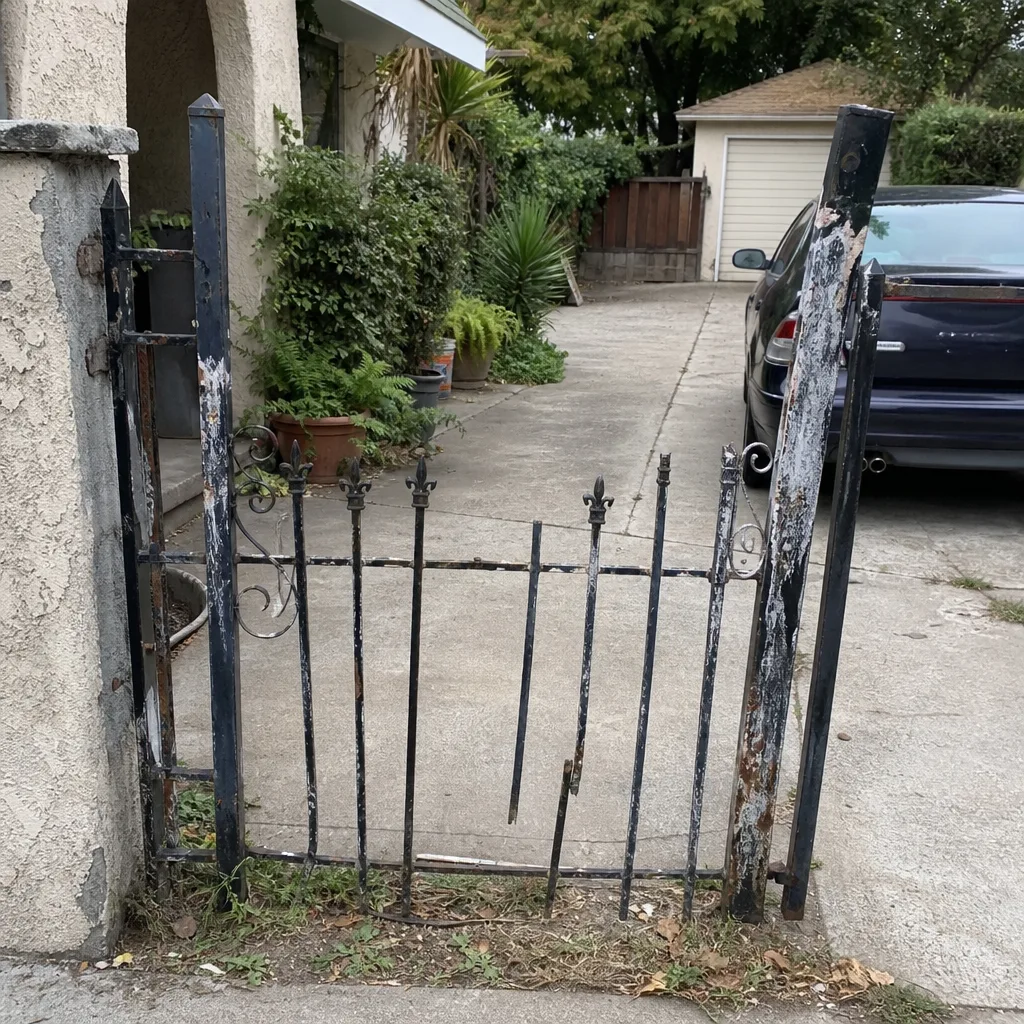 Before
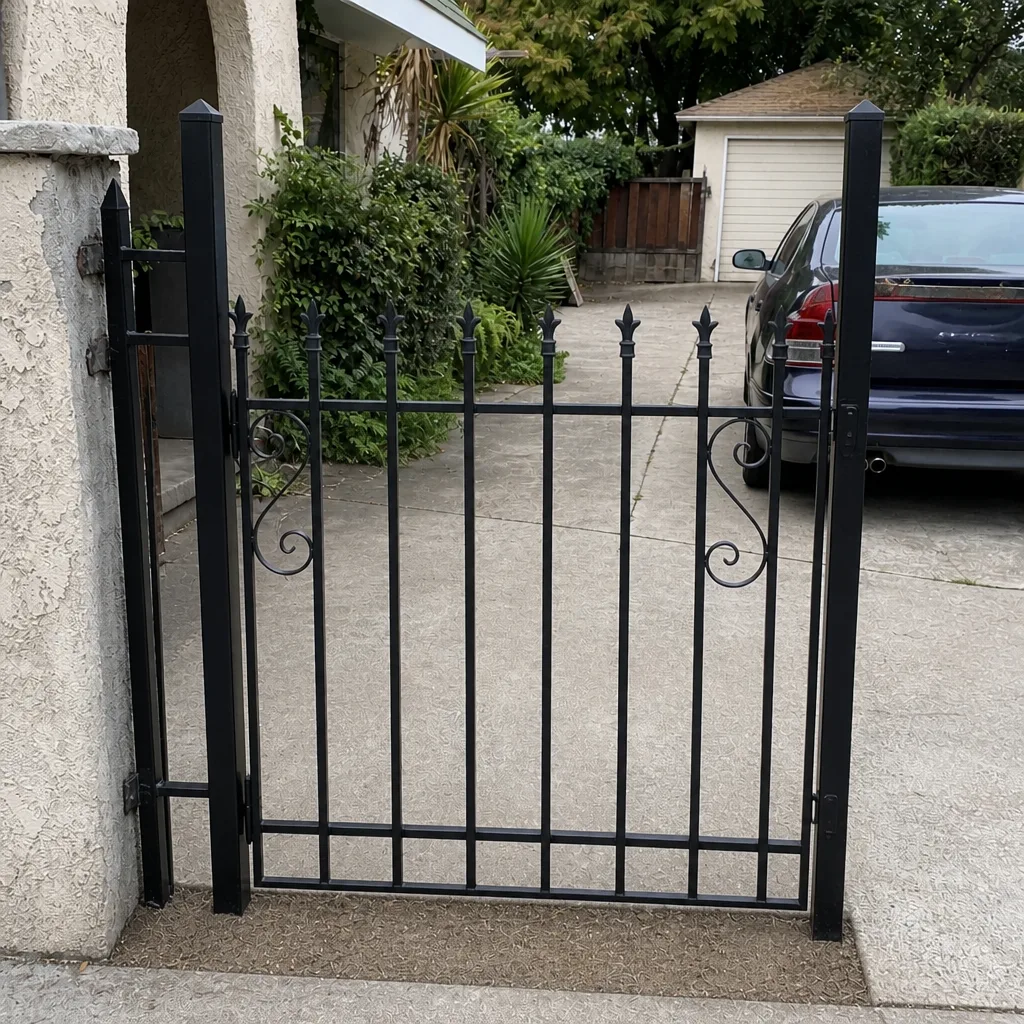 After
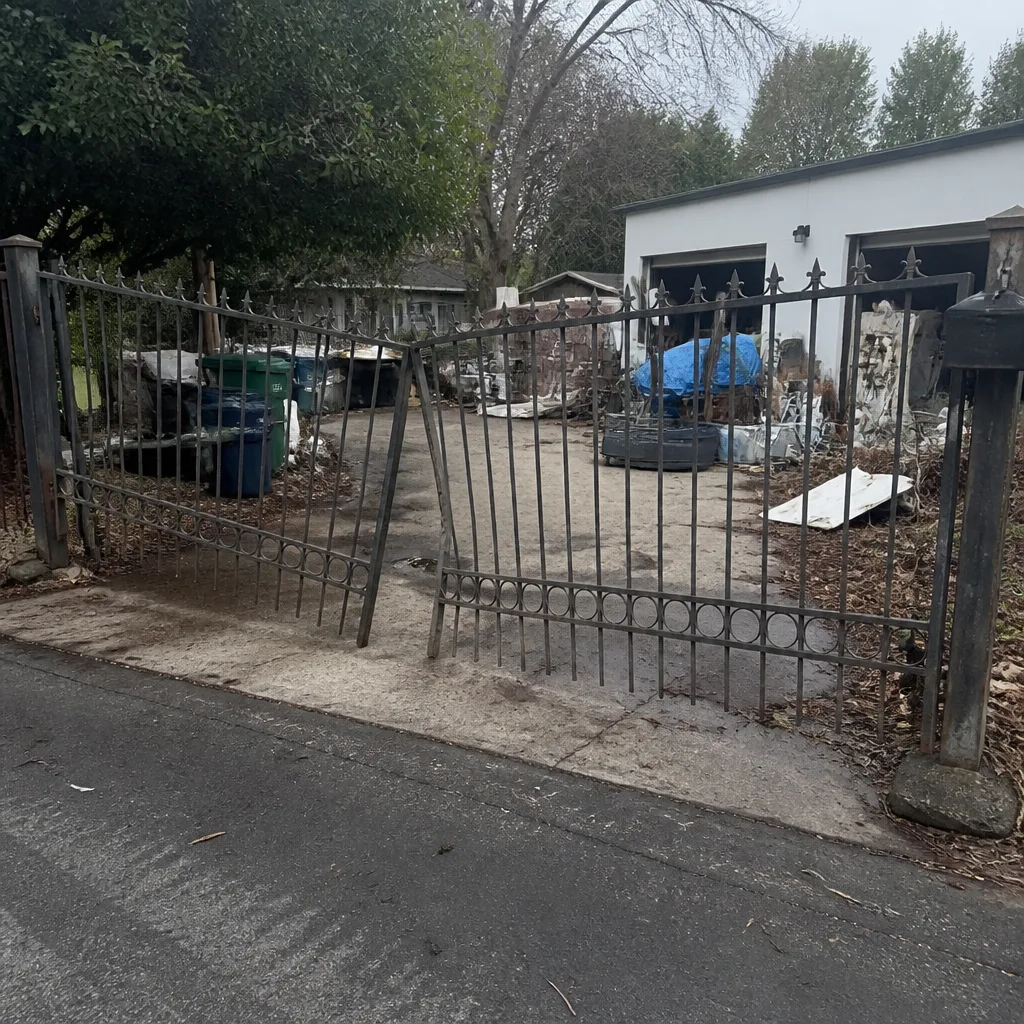 Before
 After
 Before
 After